






Search results
88 results
Search results


Oxymel - an ancient recipe
Traditions about Oxymel and its use can be found in ancient medical and healing writings, such as those by Galen of Pergamon (129-199) or even in the Middle Ages by Hildegard von Bingen.
Honey and vinegar - each a powerful home remedy with countless positive properties - are mixed, and as an added bonus, this strong mixture can also be infused with (medicinal) herbs.
For a very long time, the so-called sour honey held its fixed place as a medicinal form among healers and doctors.
In fact, the drink is versatile:
1-2 tablespoons pure half an hour before the first meal, diluted 1:10 with warm or cold water, or - for even more refreshment - with cold mineral water. But its use in the kitchen also invites creative experimentation.
Honey contains over 180 different ingredients. In addition to various types of sugar, it contains vitamins, minerals, flavonoids, and polyphenols (which act as antioxidants), as well as bee enzymes. The latter are, among other things, responsible for the anti-inflammatory effect of honey.
The power of bees, microorganisms, and plants
Vinegar is a fermentation product where the alcohol of a fruit wine is converted into acid with the help of microorganisms. Because of its dietary effect, vinegar was highly praised by Hippocrates (founder of modern medicine).
Both vinegar and honey have strong extraction power. Therefore, when herbs or spices are added, the valuable essential oils and secondary plant compounds are gently released and perfectly preserved in the honey-vinegar drink.
For our Oxymels, in addition to our organic honey, we only use products of controlled organic quality from Austrian manufacturers for the other ingredients, such as Sonnentor and Gölles.

Oxymel - an ancient recipe
Traditions about oxymel and its use can be found in ancient medical and healing texts, such as those of Galen of Pergamon (129-199) or in the Middle Ages by Hildegard of Bingen.
Honey and vinegar - each a powerful home remedy with countless beneficial properties - are mixed together, and as a bonus, you can also add (medicinal) herbs to this potent mixture.
For a long, long time, so-called sour honey had a firm place as a medicinal form among healers and doctors.
In fact, the trunk can be used in many ways:
Take 1-2 tablespoons neat half an hour before your first meal, diluted 1:10 with warm or cold water, or—for even more refreshment—with cold mineral water. Its use in the kitchen also invites creative experimentation.
Honey contains over 180 different components. In addition to various types of sugar, it contains vitamins, minerals, flavonoids, and polyphenols (which act as antioxidants), as well as bee enzymes. The latter are responsible, among other things, for honey's anti-inflammatory effects.
The power of bees, microorganisms and plants
Vinegar is a fermentation product in which the alcohol in a fruit wine is converted into acid with the help of microorganisms. For its dietary benefits, vinegar was already highly praised by Hippocrates (the founder of modern medicine).
Both vinegar and honey have strong extraction power. When herbs or spices are added, the valuable essential oils and secondary plant compounds are gently dissolved and perfectly preserved in the honey-vinegar mixture.
For our oxymels, in addition to our organic honey, we only use products of controlled organic quality from Austrian manufacturers, such as Sonnentor and Gölles , for the other ingredients.

Oxymel - an ancient recipe
Traditions about oxymel and its use can be found in ancient medical and healing texts, such as those of Galen of Pergamon (129-199) or in the Middle Ages by Hildegard of Bingen.
Honey and vinegar - each a powerful home remedy with countless beneficial properties - are mixed together, and as a bonus, you can also add (medicinal) herbs to this potent mixture.
For a long, long time, so-called sour honey had a firm place as a medicinal form among healers and doctors.
In fact, the trunk can be used in many ways:
Take 1-2 tablespoons neat half an hour before your first meal, diluted 1:10 with warm or cold water, or—for even more refreshment—with cold mineral water. Its use in the kitchen also invites creative experimentation.
Honey contains over 180 different components. In addition to various types of sugar, it contains vitamins, minerals, flavonoids, and polyphenols (which act as antioxidants), as well as bee enzymes. The latter are responsible, among other things, for honey's anti-inflammatory effects.
The power of bees, microorganisms and plants
Vinegar is a fermentation product in which the alcohol in a fruit wine is converted into acid with the help of microorganisms. For its dietary benefits, vinegar was already highly praised by Hippocrates (the founder of modern medicine).
Both vinegar and honey have strong extraction power. When herbs or spices are added, the valuable essential oils and secondary plant compounds are gently dissolved and perfectly preserved in the honey-vinegar mixture.
For our oxymels, in addition to our organic honey, we only use products of controlled organic quality from Austrian manufacturers, such as Sonnentor and Gölles , for the other ingredients.
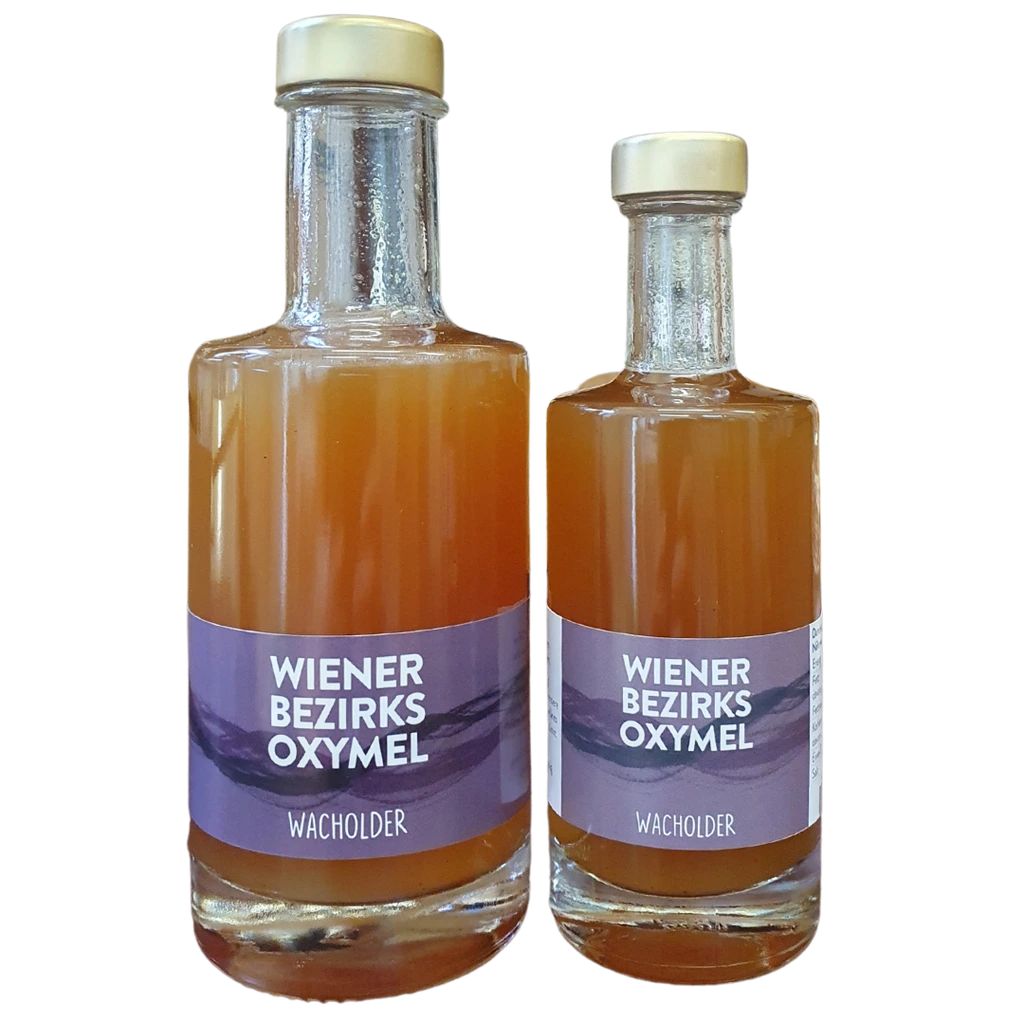

Oxymel - an ancient recipe
Traditions about oxymel and its use can be found in ancient medical and healing texts, such as those of Galen of Pergamon (129-199) or in the Middle Ages by Hildegard of Bingen.
Honey and vinegar - each a powerful home remedy with countless beneficial properties - are mixed together, and as a bonus, you can also add (medicinal) herbs to this potent mixture.
For a long, long time, so-called sour honey had a firm place as a medicinal form among healers and doctors.
In fact, the trunk can be used in many ways:
Take 1-2 tablespoons neat half an hour before your first meal, diluted 1:10 with warm or cold water, or—for even more refreshment—with cold mineral water. Its use in the kitchen also invites creative experimentation.
Honey contains over 180 different components. In addition to various types of sugar, it contains vitamins, minerals, flavonoids, and polyphenols (which act as antioxidants), as well as bee enzymes. The latter are responsible, among other things, for honey's anti-inflammatory effects.
The power of bees, microorganisms and plants
Vinegar is a fermentation product in which the alcohol in a fruit wine is converted into acid with the help of microorganisms. For its dietary benefits, vinegar was already highly praised by Hippocrates (the founder of modern medicine).
Both vinegar and honey have strong extraction power. When herbs or spices are added, the valuable essential oils and secondary plant compounds are gently dissolved and perfectly preserved in the honey-vinegar mixture.
For our oxymels, in addition to our organic honey, we only use products of controlled organic quality from Austrian manufacturers, such as Sonnentor and Gölles , for the other ingredients.
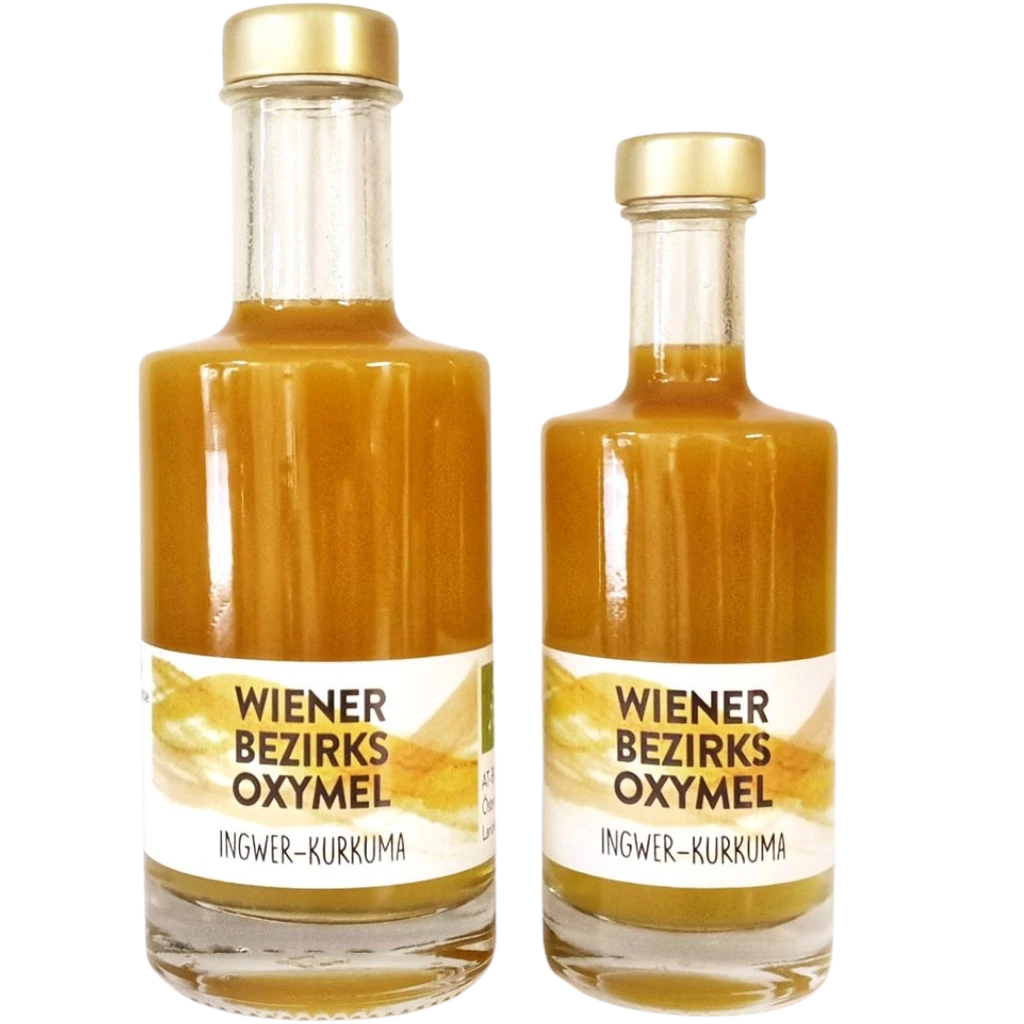

Oxymel - an ancient recipe
Traditions about oxymel and its use can be found in ancient medical and healing texts, such as those of Galen of Pergamon (129-199) or in the Middle Ages by Hildegard of Bingen.
Honey and vinegar - each a powerful home remedy with countless beneficial properties - are mixed together, and as a bonus, you can also add (medicinal) herbs to this potent mixture.
For a long, long time, so-called sour honey had a firm place as a medicinal form among healers and doctors.
In fact, the trunk can be used in many ways:
Take 1-2 tablespoons neat half an hour before your first meal, diluted 1:10 with warm or cold water, or—for even more refreshment—with cold mineral water. Its use in the kitchen also invites creative experimentation.
Honey contains over 180 different components. In addition to various types of sugar, it contains vitamins, minerals, flavonoids, and polyphenols (which act as antioxidants), as well as bee enzymes. The latter are responsible, among other things, for honey's anti-inflammatory effects.
The power of bees, microorganisms and plants
Vinegar is a fermentation product in which the alcohol in a fruit wine is converted into acid with the help of microorganisms. For its dietary benefits, vinegar was already highly praised by Hippocrates (the founder of modern medicine).
Both vinegar and honey have strong extraction power. When herbs or spices are added, the valuable essential oils and secondary plant compounds are gently dissolved and perfectly preserved in the honey-vinegar mixture.
For our oxymels, in addition to our organic honey, we only use products of controlled organic quality from Austrian manufacturers, such as Sonnentor and Gölles , for the other ingredients.
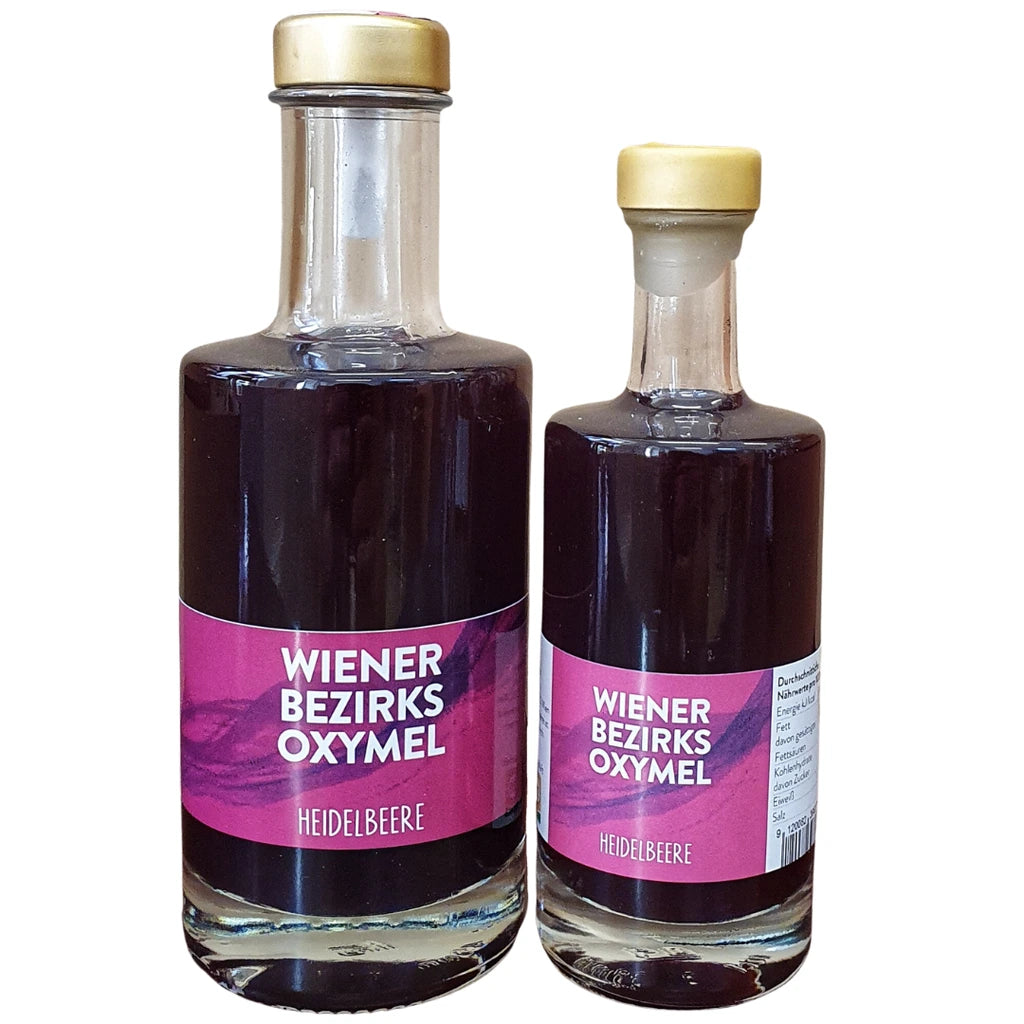

Oxymel - an ancient recipe
Traditions about oxymel and its use can be found in ancient medical and healing texts, such as those of Galen of Pergamon (129-199) or in the Middle Ages by Hildegard of Bingen.
Honey and vinegar - each a powerful home remedy with countless beneficial properties - are mixed together, and as a bonus, you can also add (medicinal) herbs to this potent mixture.
For a long, long time, so-called sour honey had a firm place as a medicinal form among healers and doctors.
In fact, the trunk can be used in many ways:
Take 1-2 tablespoons neat half an hour before your first meal, diluted 1:10 with warm or cold water, or—for even more refreshment—with cold mineral water. Its use in the kitchen also invites creative experimentation.
Honey contains over 180 different components. In addition to various types of sugar, it contains vitamins, minerals, flavonoids, and polyphenols (which act as antioxidants), as well as bee enzymes. The latter are responsible, among other things, for honey's anti-inflammatory effects.
The power of bees, microorganisms and plants
Vinegar is a fermentation product in which the alcohol in a fruit wine is converted into acid with the help of microorganisms. For its dietary benefits, vinegar was already highly praised by Hippocrates (the founder of modern medicine).
Both vinegar and honey have strong extraction power. When herbs or spices are added, the valuable essential oils and secondary plant compounds are gently dissolved and perfectly preserved in the honey-vinegar mixture.
For our oxymels, in addition to our organic honey, we only use products of controlled organic quality from Austrian manufacturers, such as Sonnentor and Gölles , for the other ingredients.
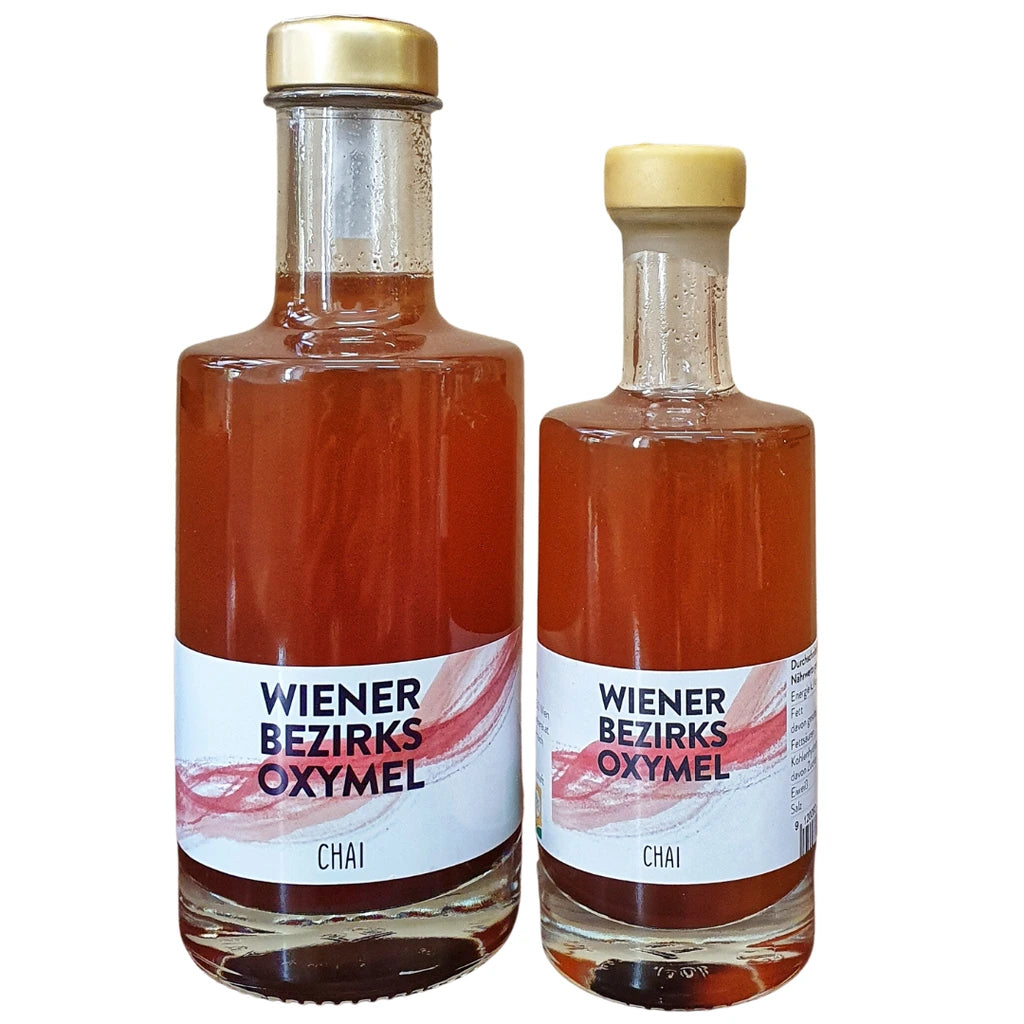

Oxymel - an ancient recipe
Traditions about oxymel and its use can be found in ancient medical and healing texts, such as those of Galen of Pergamon (129-199) or in the Middle Ages by Hildegard of Bingen.
Honey and vinegar - each a powerful home remedy with countless beneficial properties - are mixed together, and as a bonus, you can also add (medicinal) herbs to this potent mixture.
For a long, long time, so-called sour honey had a firm place as a medicinal form among healers and doctors.
In fact, the trunk can be used in many ways:
Take 1-2 tablespoons neat half an hour before your first meal, diluted 1:10 with warm or cold water, or—for even more refreshment—with cold mineral water. Its use in the kitchen also invites creative experimentation.
Honey contains over 180 different components. In addition to various types of sugar, it contains vitamins, minerals, flavonoids, and polyphenols (which act as antioxidants), as well as bee enzymes. The latter are responsible, among other things, for honey's anti-inflammatory effects.
The power of bees, microorganisms and plants
Vinegar is a fermentation product in which the alcohol in a fruit wine is converted into acid with the help of microorganisms. For its dietary benefits, vinegar was already highly praised by Hippocrates (the founder of modern medicine).
Both vinegar and honey have strong extraction power. When herbs or spices are added, the valuable essential oils and secondary plant compounds are gently dissolved and perfectly preserved in the honey-vinegar mixture.
For our oxymels, in addition to our organic honey, we only use products of controlled organic quality from Austrian manufacturers, such as Sonnentor and Gölles , for the other ingredients.
Oxymel - an ancient recipe
Traditions about oxymel and its use can be found in ancient medical and healing texts, such as those of Galen of Pergamon (129-199) or in the Middle Ages by Hildegard of Bingen.
Honey and vinegar - each a powerful home remedy with countless beneficial properties - are mixed together, and as a bonus, you can also add (medicinal) herbs to this potent mixture.
For a long, long time, so-called sour honey had a firm place as a medicinal form among healers and doctors.
In fact, the trunk can be used in many ways:
Take 1-2 tablespoons neat half an hour before your first meal, diluted 1:10 with warm or cold water, or—for even more refreshment—with cold mineral water. Its use in the kitchen also invites creative experimentation.
Honey contains over 180 different components. In addition to various types of sugar, it contains vitamins, minerals, flavonoids, and polyphenols (which act as antioxidants), as well as bee enzymes. The latter are responsible, among other things, for honey's anti-inflammatory effects.
The power of bees, microorganisms and plants
Vinegar is a fermentation product in which the alcohol in a fruit wine is converted into acid with the help of microorganisms. For its dietary benefits, vinegar was already highly praised by Hippocrates (the founder of modern medicine).
Both vinegar and honey have strong extraction power. When herbs or spices are added, the valuable essential oils and secondary plant compounds are gently dissolved and perfectly preserved in the honey-vinegar mixture.
For our oxymels, in addition to our organic honey, we only use products of controlled organic quality from Austrian manufacturers, such as Sonnentor and Gölles , for the other ingredients.
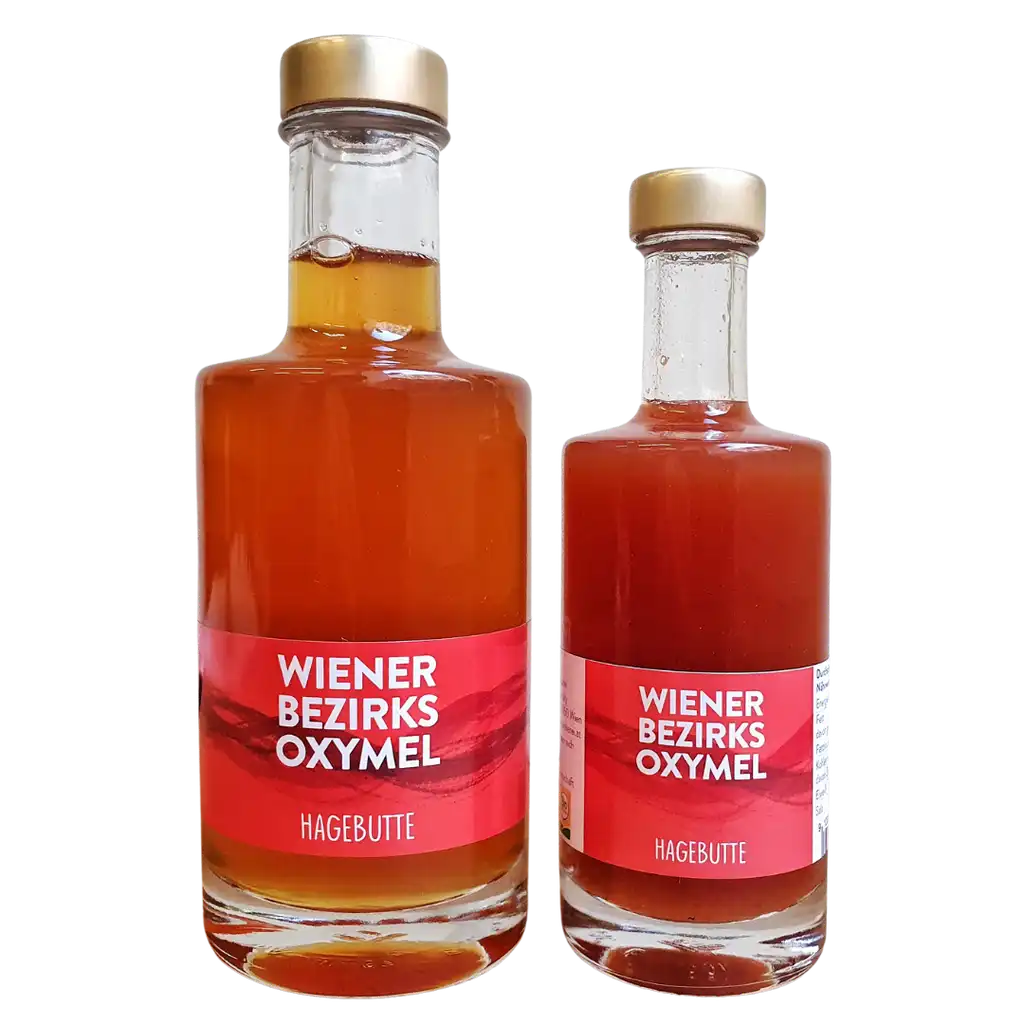
Oxymel - an ancient recipe
Traditions about oxymel and its use can be found in ancient medical and healing texts, such as those of Galen of Pergamon (129-199) or in the Middle Ages by Hildegard of Bingen.
Honey and vinegar - each a powerful home remedy with countless beneficial properties - are mixed together, and as a bonus, you can also add (medicinal) herbs to this potent mixture.
For a long, long time, so-called sour honey had a firm place as a medicinal form among healers and doctors.
In fact, the trunk can be used in many ways:
Take 1-2 tablespoons neat half an hour before your first meal, diluted 1:10 with warm or cold water, or—for even more refreshment—with cold mineral water. Its use in the kitchen also invites creative experimentation.
Honey contains over 180 different components. In addition to various types of sugar, it contains vitamins, minerals, flavonoids, and polyphenols (which act as antioxidants), as well as bee enzymes. The latter are responsible, among other things, for honey's anti-inflammatory effects.
The power of bees, microorganisms and plants
Vinegar is a fermentation product in which the alcohol in a fruit wine is converted into acid with the help of microorganisms. For its dietary benefits, vinegar was already highly praised by Hippocrates (the founder of modern medicine).
Both vinegar and honey have strong extraction power. When herbs or spices are added, the valuable essential oils and secondary plant compounds are gently dissolved and perfectly preserved in the honey-vinegar mixture.
For our oxymels, in addition to our organic honey, we only use products of controlled organic quality from Austrian manufacturers, such as Sonnentor and Gölles , for the other ingredients.
Oxymel - an ancient recipe
Traditions about oxymel and its use can be found in ancient medical and healing texts, such as those of Galen of Pergamon (129-199) or in the Middle Ages by Hildegard of Bingen.
Honey and vinegar - each a powerful home remedy with countless beneficial properties - are mixed together, and as a bonus, you can also add (medicinal) herbs to this potent mixture.
For a long, long time, so-called sour honey had a firm place as a medicinal form among healers and doctors.
In fact, the trunk can be used in many ways:
Take 1-2 tablespoons neat half an hour before your first meal, diluted 1:10 with warm or cold water, or—for even more refreshment—with cold mineral water. Its use in the kitchen also invites creative experimentation.
Honey contains over 180 different components. In addition to various types of sugar, it contains vitamins, minerals, flavonoids, and polyphenols (which act as antioxidants), as well as bee enzymes. The latter are responsible, among other things, for honey's anti-inflammatory effects.
The power of bees, microorganisms and plants
Vinegar is a fermentation product in which the alcohol in a fruit wine is converted into acid with the help of microorganisms. For its dietary benefits, vinegar was already highly praised by Hippocrates (the founder of modern medicine).
Both vinegar and honey have strong extraction power. When herbs or spices are added, the valuable essential oils and secondary plant compounds are gently dissolved and perfectly preserved in the honey-vinegar mixture.
For our oxymels, in addition to our organic honey, we only use products of controlled organic quality from Austrian manufacturers, such as Sonnentor and Gölles , for the other ingredients.
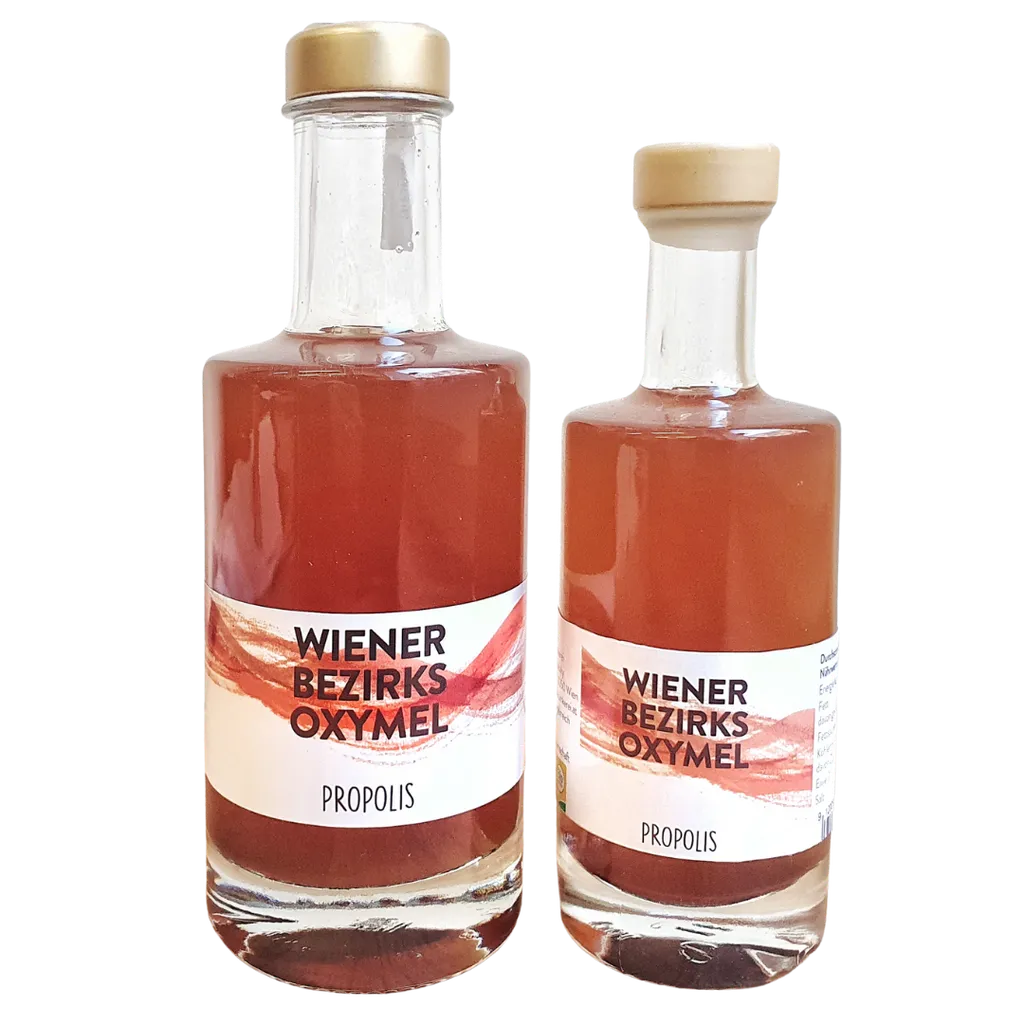
Oxymel - an ancient recipe
Traditions about oxymel and its use can be found in ancient medical and healing texts, such as those of Galen of Pergamon (129-199) or in the Middle Ages by Hildegard of Bingen.
Honey and vinegar - each a powerful home remedy with countless beneficial properties - are mixed together, and as a bonus, you can also add (medicinal) herbs to this potent mixture.
For a long, long time, so-called sour honey had a firm place as a medicinal form among healers and doctors.
In fact, the trunk can be used in many ways:
Take 1-2 tablespoons neat half an hour before your first meal, diluted 1:10 with warm or cold water, or—for even more refreshment—with cold mineral water. Its use in the kitchen also invites creative experimentation.
Honey contains over 180 different components. In addition to various types of sugar, it contains vitamins, minerals, flavonoids, and polyphenols (which act as antioxidants), as well as bee enzymes. The latter are responsible, among other things, for honey's anti-inflammatory effects.
The power of bees, microorganisms and plants
Vinegar is a fermentation product in which the alcohol in a fruit wine is converted into acid with the help of microorganisms. For its dietary benefits, vinegar was already highly praised by Hippocrates (the founder of modern medicine).
Both vinegar and honey have strong extraction power. When herbs or spices are added, the valuable essential oils and secondary plant compounds are gently dissolved and perfectly preserved in the honey-vinegar mixture.
For our oxymels, in addition to our organic honey, we only use products of controlled organic quality from Austrian manufacturers, such as Sonnentor and Gölles , for the other ingredients.
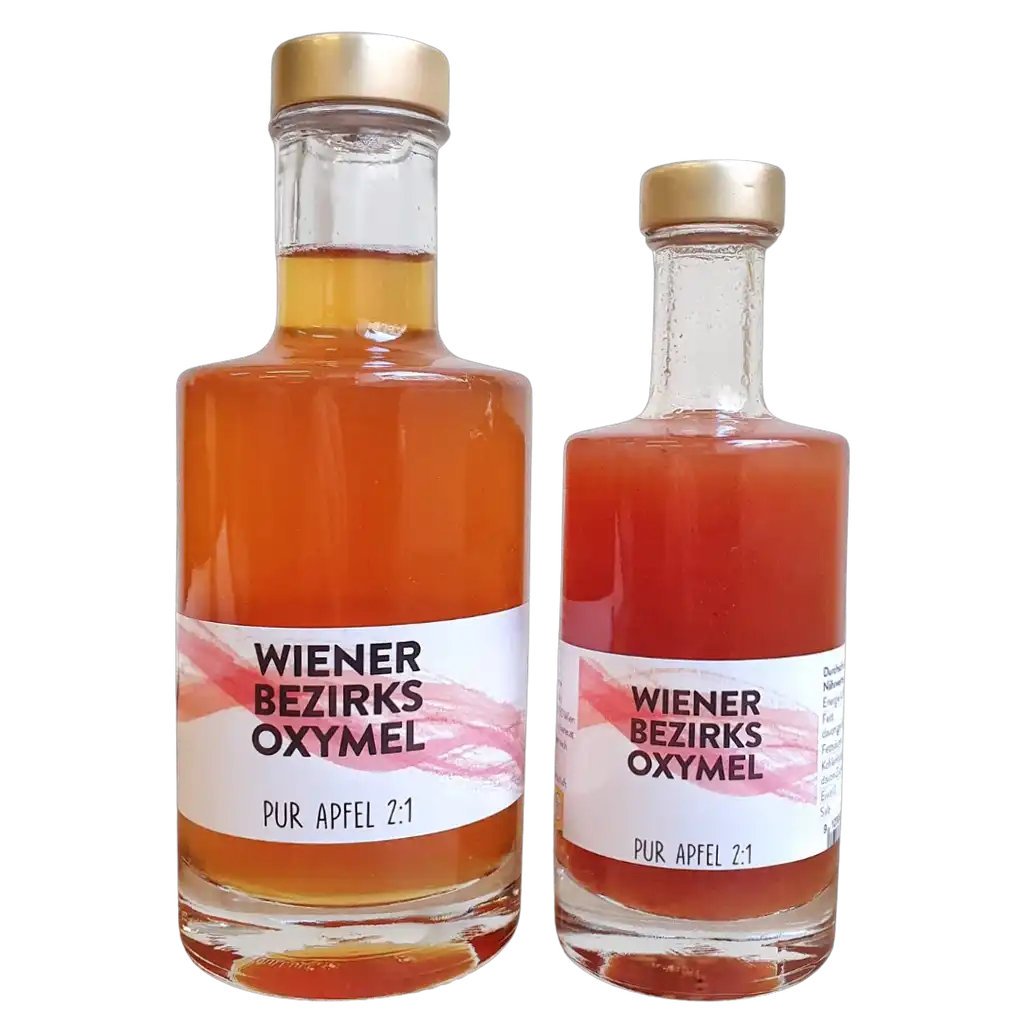
Oxymel - an ancient recipe
Traditions about oxymel and its use can be found in ancient medical and healing texts, such as those of Galen of Pergamon (129-199) or in the Middle Ages by Hildegard of Bingen.
Honey and vinegar - each a powerful home remedy with countless beneficial properties - are mixed together, and as a bonus, you can also add (medicinal) herbs to this potent mixture.
For a long, long time, so-called sour honey had a firm place as a medicinal form among healers and doctors.
In fact, the trunk can be used in many ways:
Take 1-2 tablespoons neat half an hour before your first meal, diluted 1:10 with warm or cold water, or—for even more refreshment—with cold mineral water. Its use in the kitchen also invites creative experimentation.
Honey contains over 180 different components. In addition to various types of sugar, it contains vitamins, minerals, flavonoids, and polyphenols (which act as antioxidants), as well as bee enzymes. The latter are responsible, among other things, for honey's anti-inflammatory effects.
The power of bees, microorganisms and plants
Vinegar is a fermentation product in which the alcohol in a fruit wine is converted into acid with the help of microorganisms. For its dietary benefits, vinegar was already highly praised by Hippocrates (the founder of modern medicine).
Both vinegar and honey have strong extraction power. When herbs or spices are added, the valuable essential oils and secondary plant compounds are gently dissolved and perfectly preserved in the honey-vinegar mixture.
For our oxymels, in addition to our organic honey, we only use products of controlled organic quality from Austrian manufacturers, such as Sonnentor and Gölles , for the other ingredients.
Oxymel - an ancient recipe
Traditions about oxymel and its use can be found in ancient medical and healing texts, such as those of Galen of Pergamon (129-199) or in the Middle Ages by Hildegard of Bingen.
Honey and vinegar - each a powerful home remedy with countless beneficial properties - are mixed together, and as a bonus, you can also add (medicinal) herbs to this potent mixture.
For a long, long time, so-called sour honey had a firm place as a medicinal form among healers and doctors.
In fact, the trunk can be used in many ways:
Take 1-2 tablespoons neat half an hour before your first meal, diluted 1:10 with warm or cold water, or—for even more refreshment—with cold mineral water. Its use in the kitchen also invites creative experimentation.
Honey contains over 180 different components. In addition to various types of sugar, it contains vitamins, minerals, flavonoids, and polyphenols (which act as antioxidants), as well as bee enzymes. The latter are responsible, among other things, for honey's anti-inflammatory effects.
The power of bees, microorganisms and plants
Vinegar is a fermentation product in which the alcohol in a fruit wine is converted into acid with the help of microorganisms. For its dietary benefits, vinegar was already highly praised by Hippocrates (the founder of modern medicine).
Both vinegar and honey have strong extraction power. When herbs or spices are added, the valuable essential oils and secondary plant compounds are gently dissolved and perfectly preserved in the honey-vinegar mixture.
For our oxymels, in addition to our organic honey, we only use products of controlled organic quality from Austrian manufacturers, such as Sonnentor and Gölles , for the other ingredients.
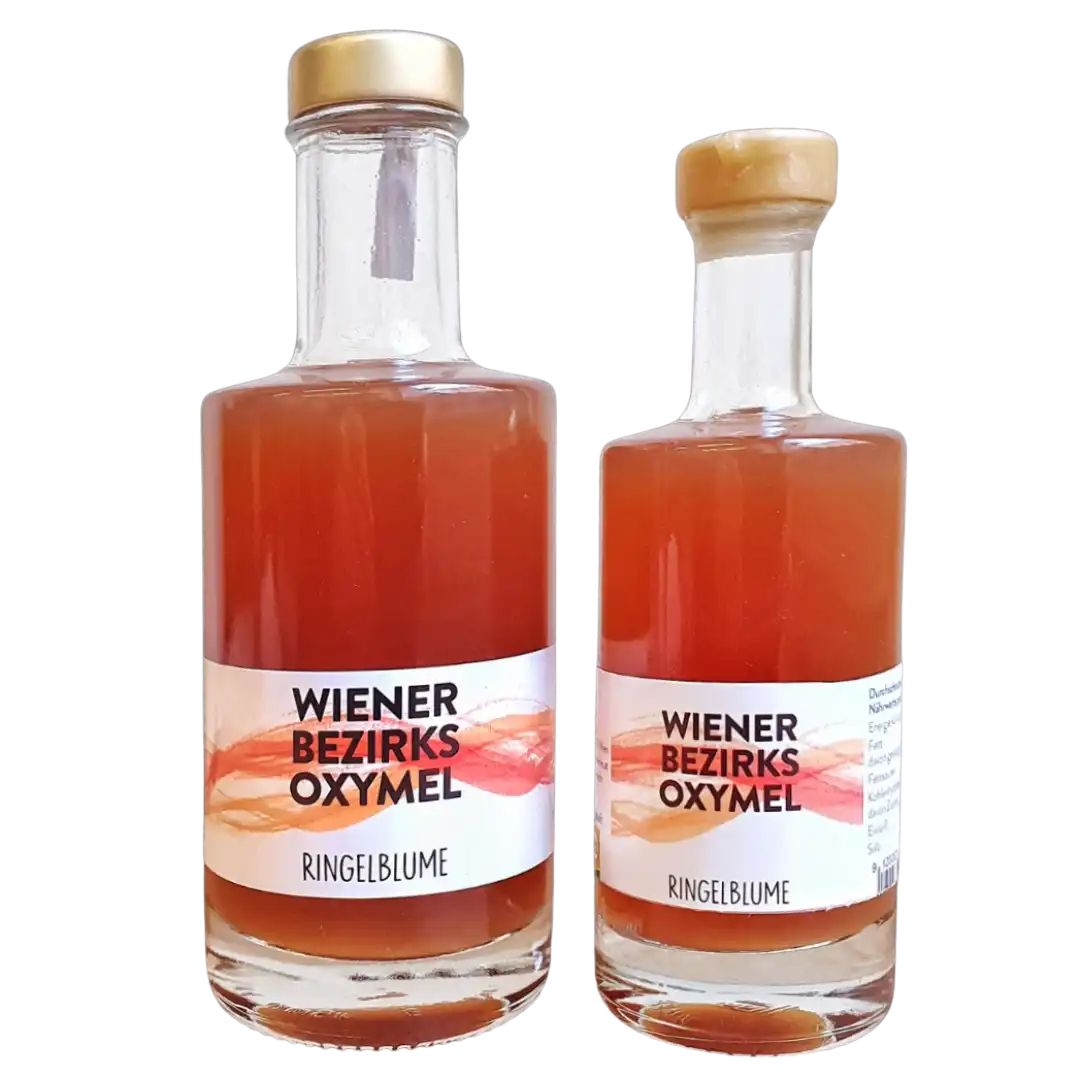
Oxymel - an ancient recipe
Traditions about oxymel and its use can be found in ancient medical and healing texts, such as those of Galen of Pergamon (129-199) or in the Middle Ages by Hildegard of Bingen.
Honey and vinegar - each a powerful home remedy with countless beneficial properties - are mixed together, and as a bonus, you can also add (medicinal) herbs to this potent mixture.
For a long, long time, so-called sour honey had a firm place as a medicinal form among healers and doctors.
In fact, the trunk can be used in many ways:
Take 1-2 tablespoons neat half an hour before your first meal, diluted 1:10 with warm or cold water, or—for even more refreshment—with cold mineral water. Its use in the kitchen also invites creative experimentation.
Honey contains over 180 different components. In addition to various types of sugar, it contains vitamins, minerals, flavonoids, and polyphenols (which act as antioxidants), as well as bee enzymes. The latter are responsible, among other things, for honey's anti-inflammatory effects.
The power of bees, microorganisms and plants
Vinegar is a fermentation product in which the alcohol in a fruit wine is converted into acid with the help of microorganisms. For its dietary benefits, vinegar was already highly praised by Hippocrates (the founder of modern medicine).
Both vinegar and honey have strong extraction power. When herbs or spices are added, the valuable essential oils and secondary plant compounds are gently dissolved and perfectly preserved in the honey-vinegar mixture.
For our oxymels, in addition to our organic honey, we only use products of controlled organic quality from Austrian manufacturers, such as Sonnentor and Gölles , for the other ingredients.
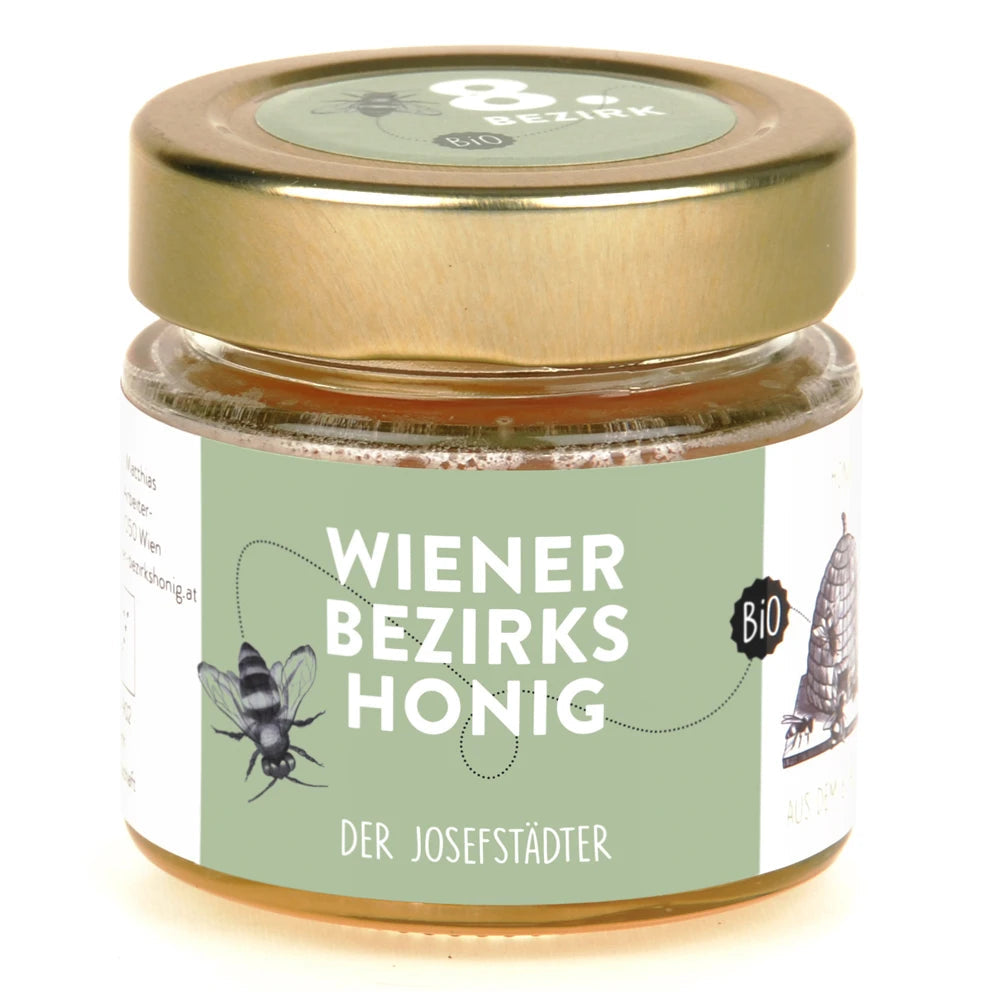
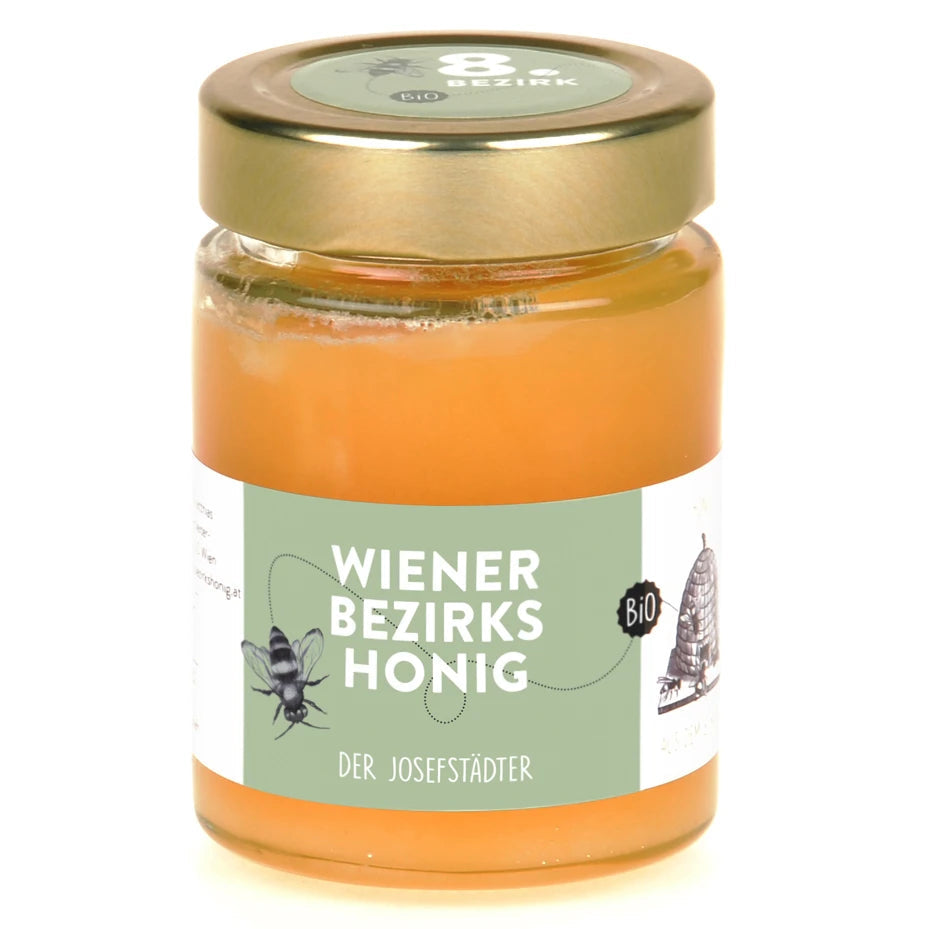
THE JOSEFSTADTER
Anyone who is allowed to live as royally as our Josefstadt bees in the Palais Auersperg also shows this with a "noble" honey.
Meadow herbs
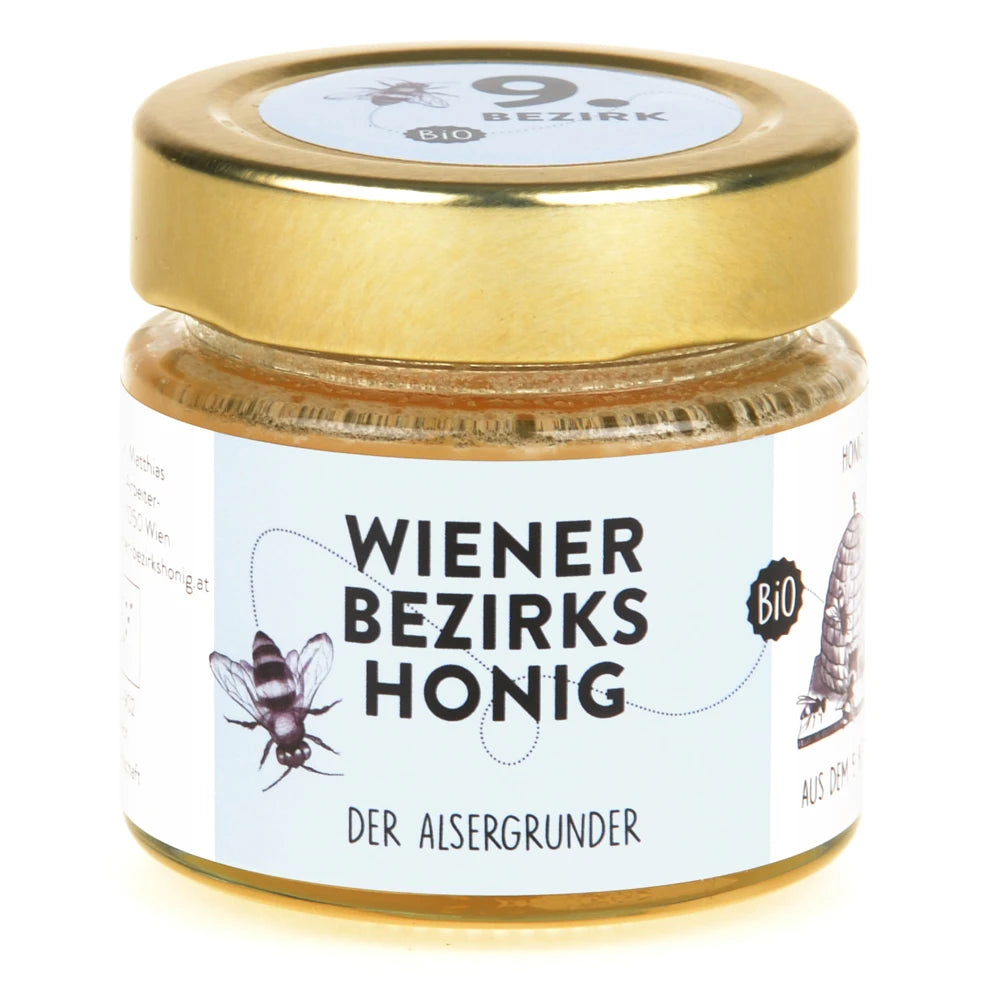
THE ALSERFOUNDER
Our Liechtenstein Palace bees roam the heart of Alsergrund and collect a very spicy, strong honey.
fresh, citrus-menthol-like
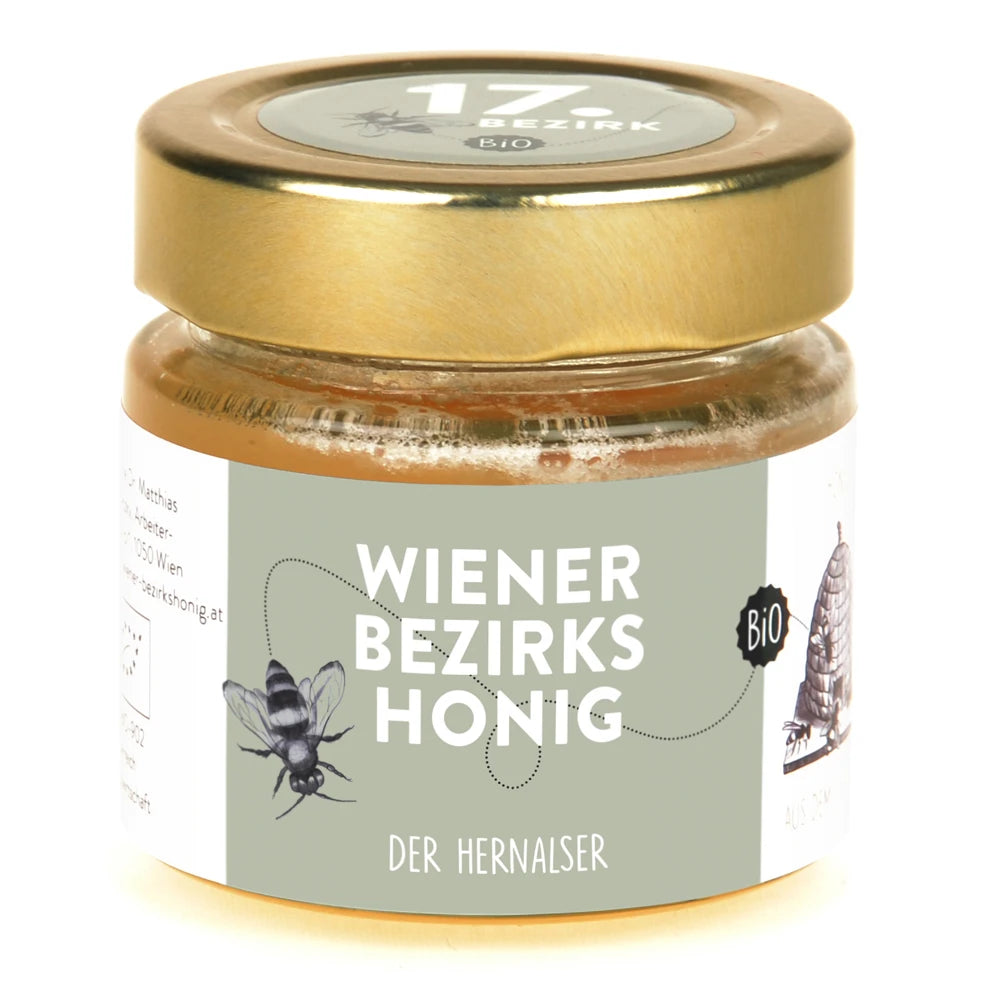
THE HERNALSER
The Hernals bees are part of the family and fly in one of the most fascinating natural gardens in the heart of Hernals.
flowery, lovely
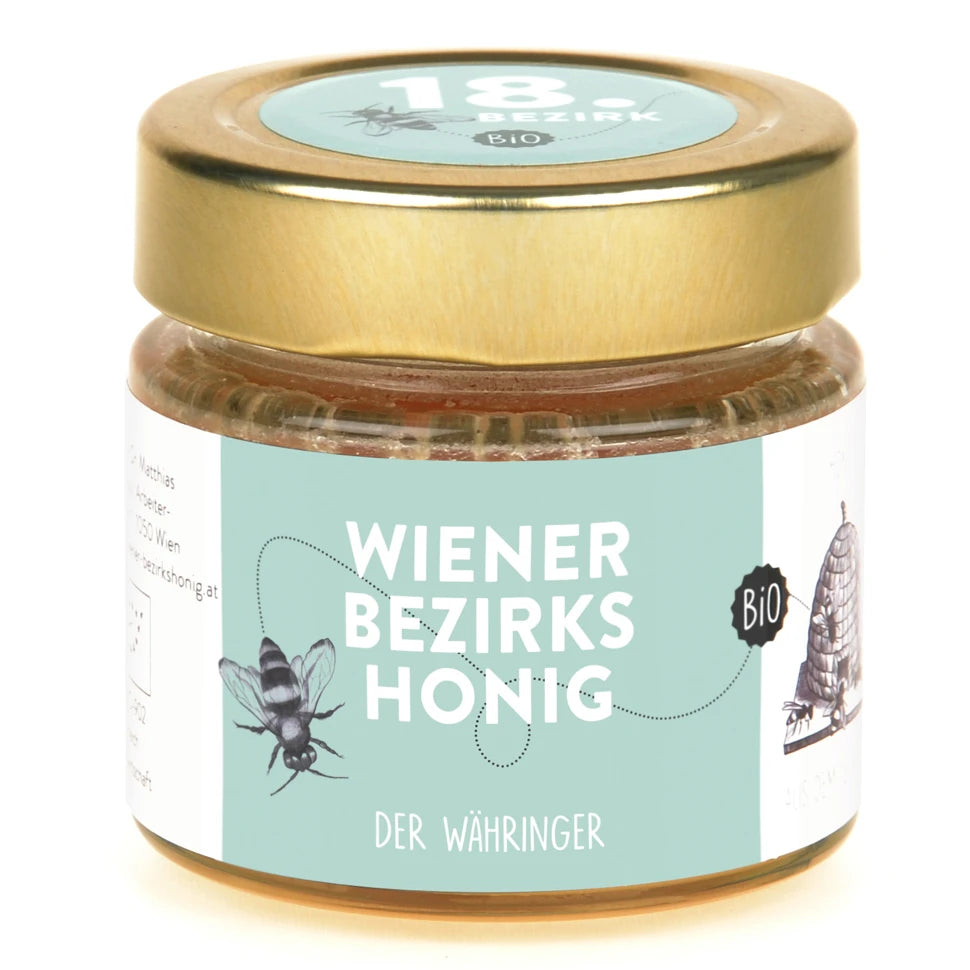
THE WÄHRINGER
Our Währinger bees start from the roofs of BOKU to Türkenschanzpark and to many green oases in the district.
fresh, citrus-menthol-like
What else you might like...
Autumn: Boosting Your Immune System . Autumn is a time of transition and preparation for winter. Our collection offers everything you need to strengthen your immune system and face the dreary weather with vitality. Discover warming and fortifying teas , medicinal herbs , oxymel , and dietary supplements . As your specialist in Vienna, we help you stay healthy and well-being-inspired throughout the colder months in a natural way .
Example product
€30,00
Example product
€30,00
Example product
€30,00
Example product
€30,00