





387 products
Sort by:
387 products
387 products
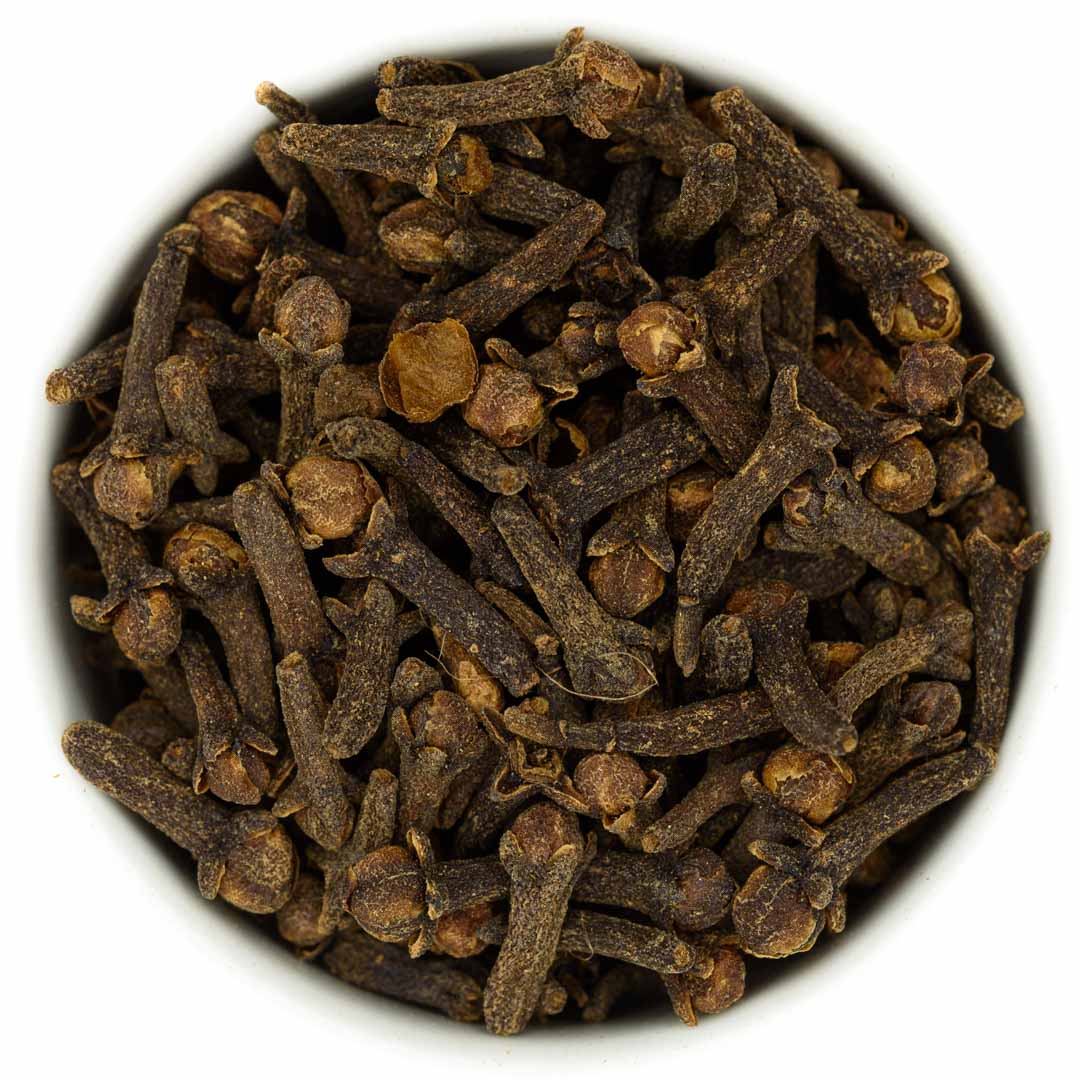
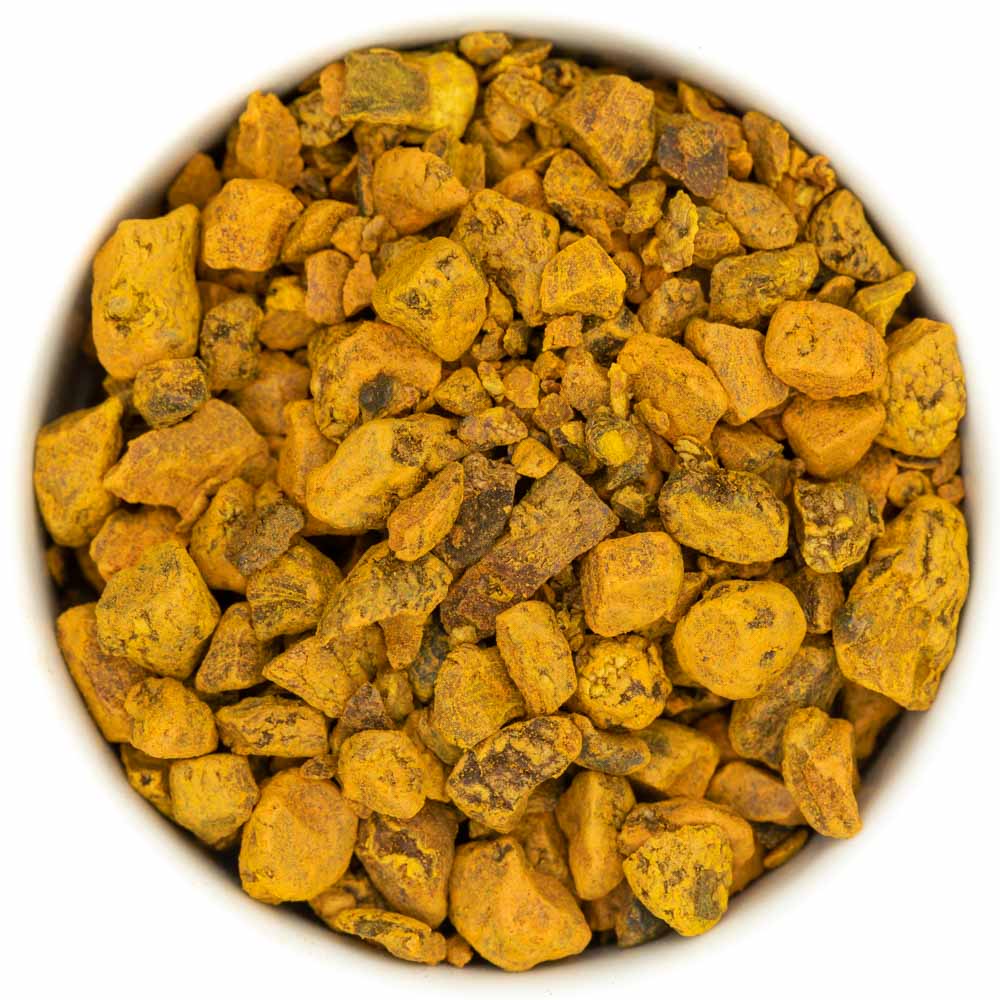
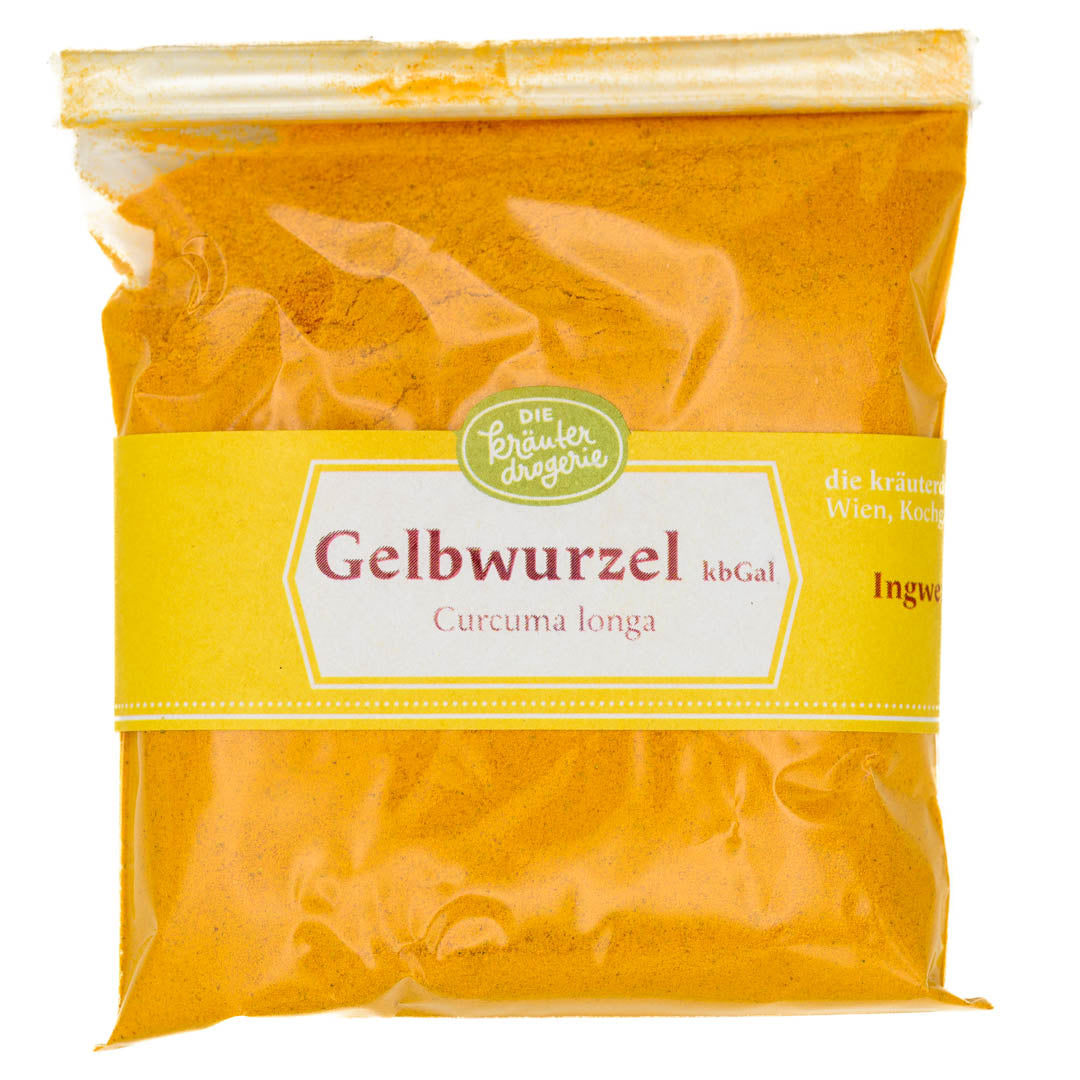
Curcumae xanthorrhizae rhizoma
To increase bile flow in cases of indigestion. To make a cup of tea, boil 1 teaspoonful with water and strain after 15 minutes. Take 1 tablespoonful every 2 hours. Reseal tightly after use. Keep out of reach of children.
Ingredients:
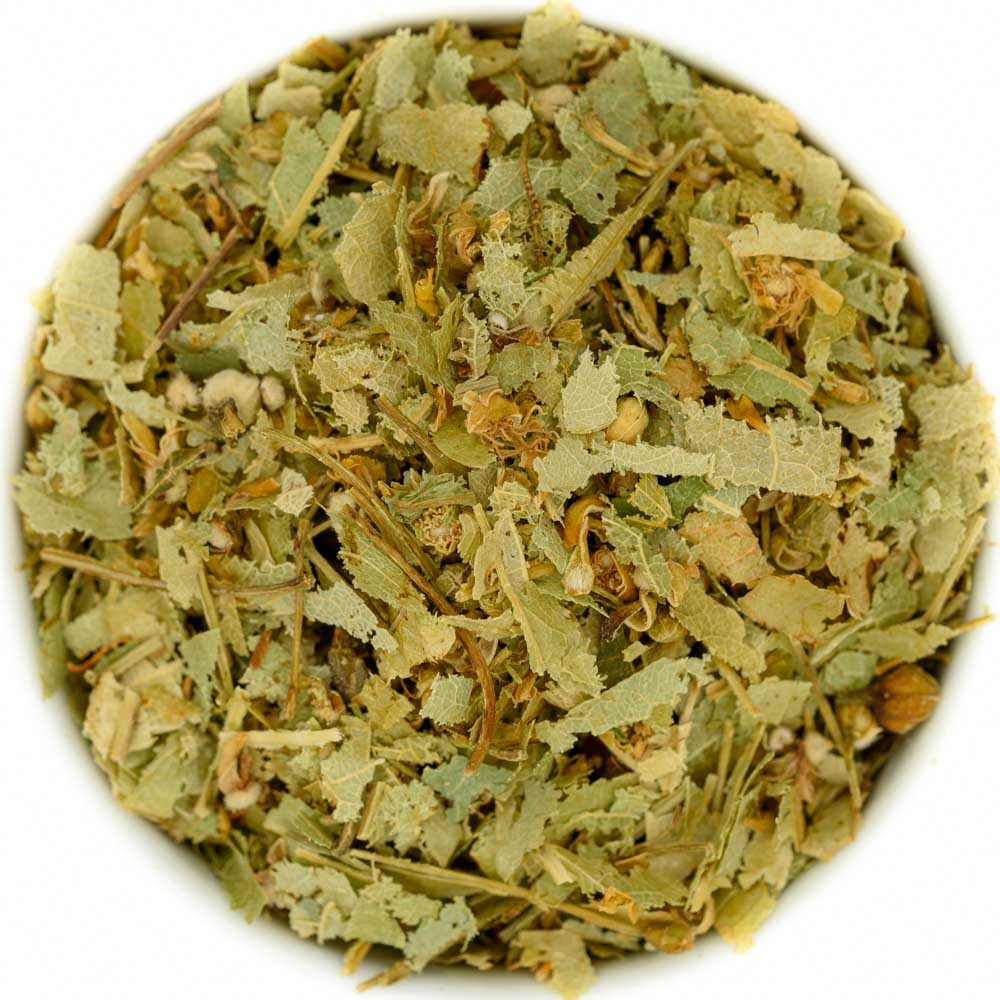
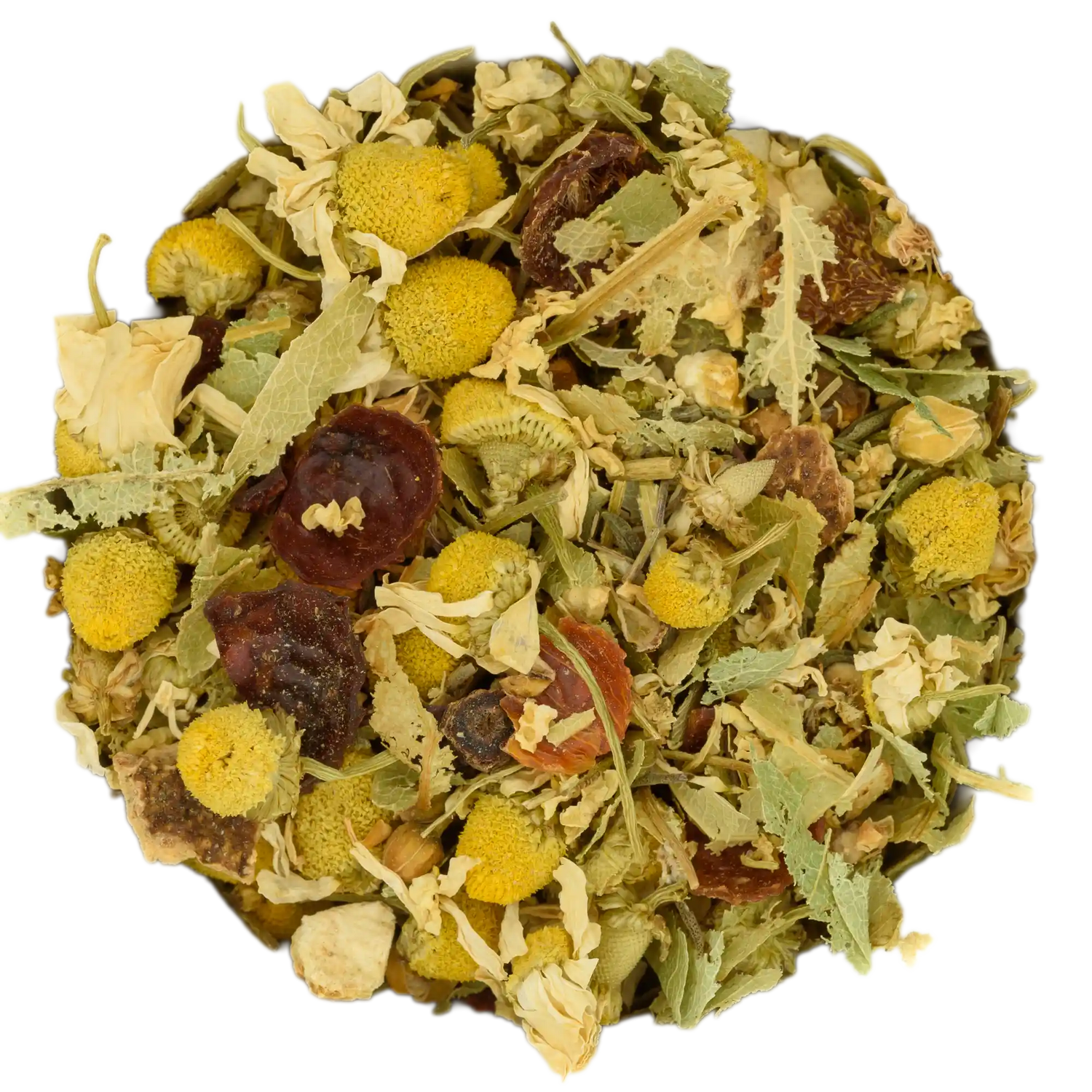
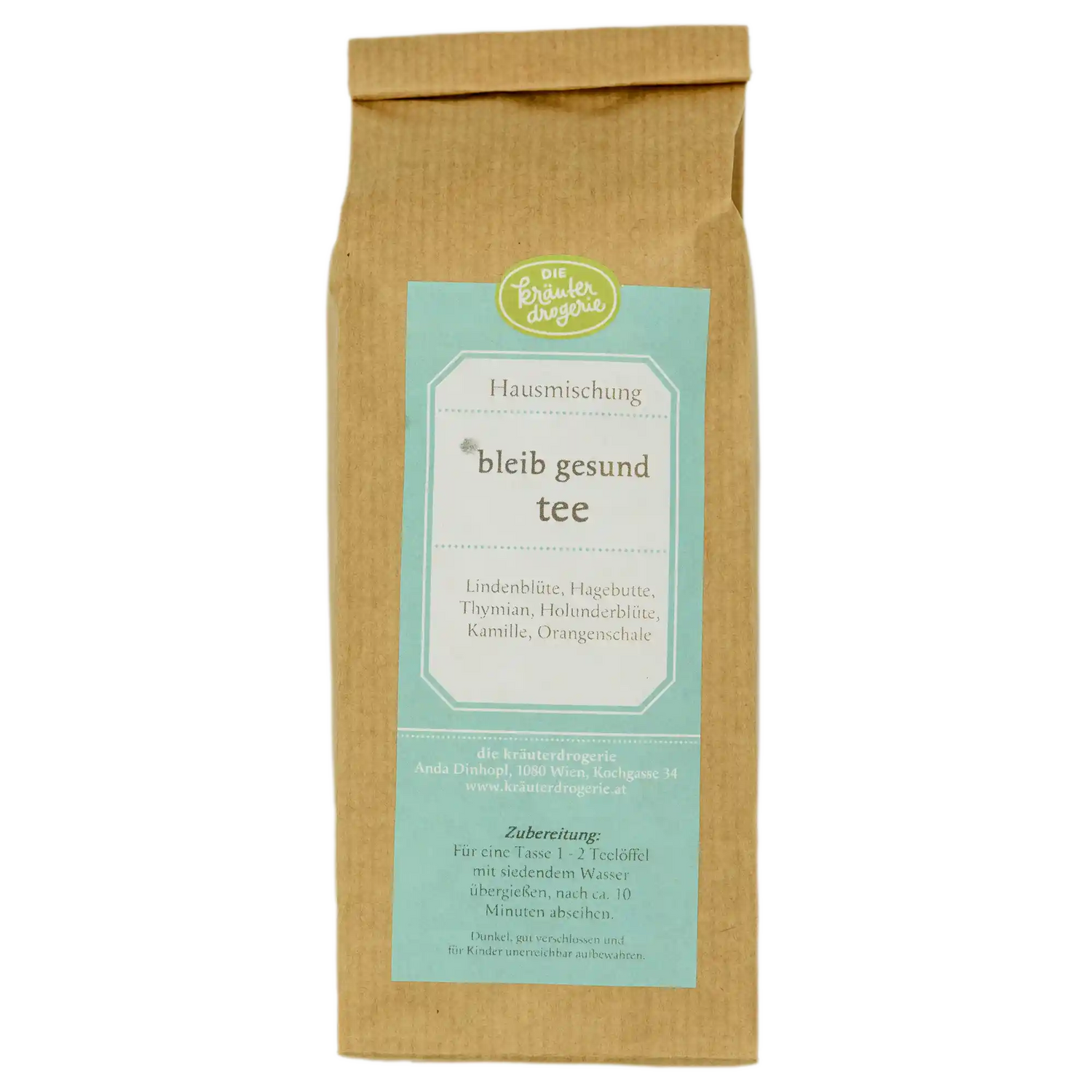
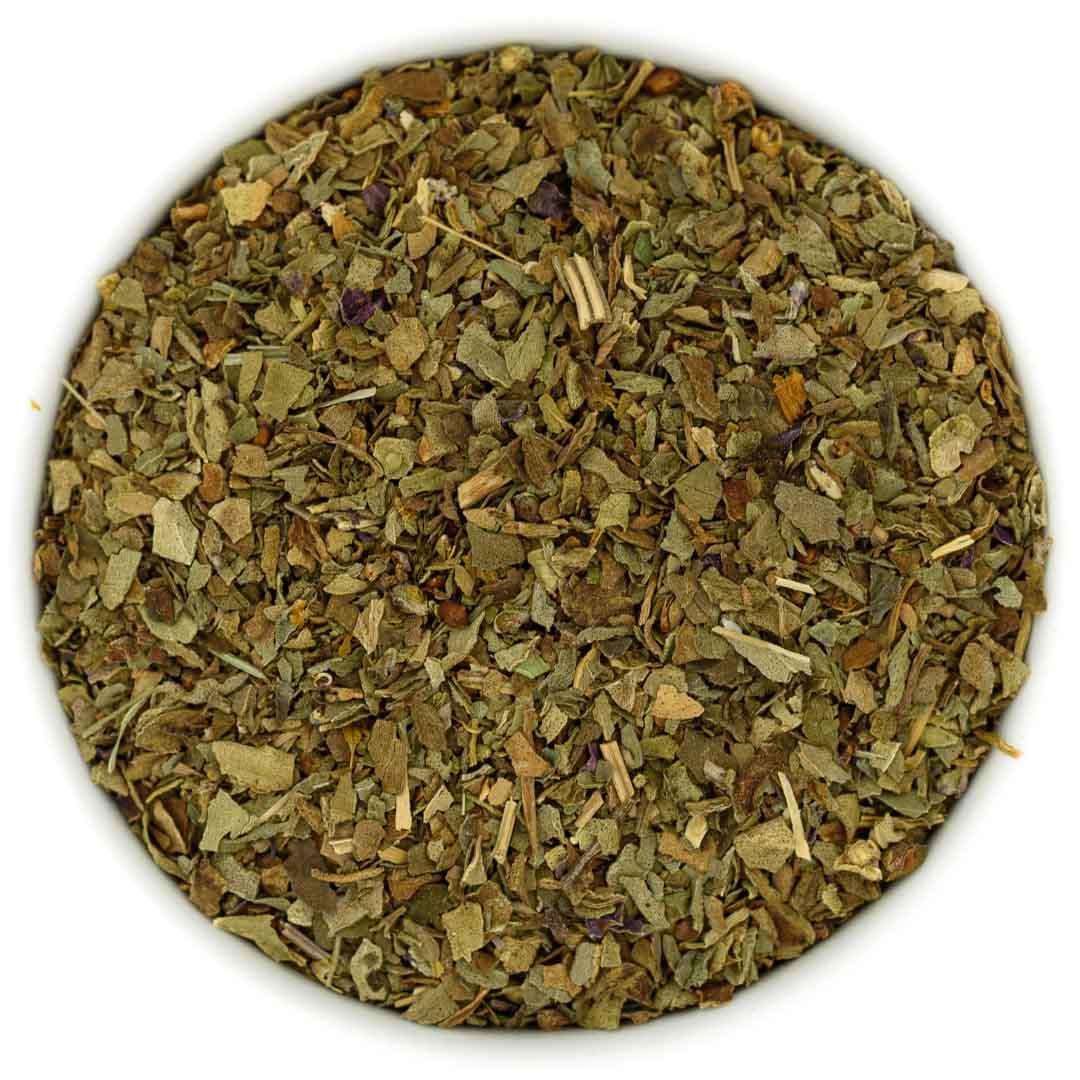
Linden blossom, rosehip, thyme, elderflower, chamomile, orange peel
Preparation: Pour 1/4 liter of boiling water over 1 teaspoon, let steep for 10 minutes.
Ingredients:
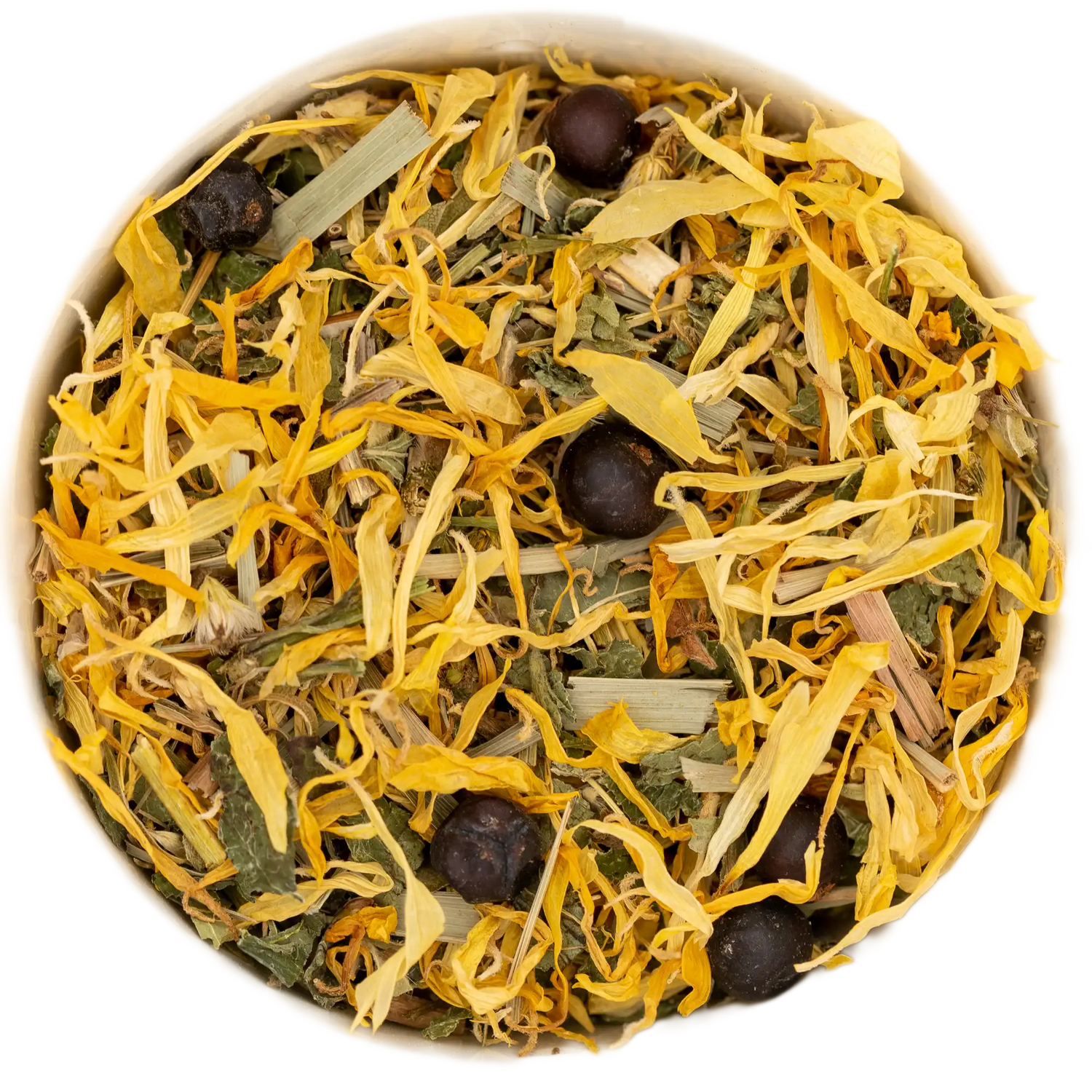
Agrimony, goldenrod, yarrow, pansy, speedwell, juniper, rosemary, lemon balm, marigold
Preparation: Pour 1/4 - 1/2 liter of boiling water over 1 teaspoon of herbs and let it steep for 5-10 minutes.
- Vegan
- free from any artificial additives
- 100% natural
- without preservatives
- controlled quality
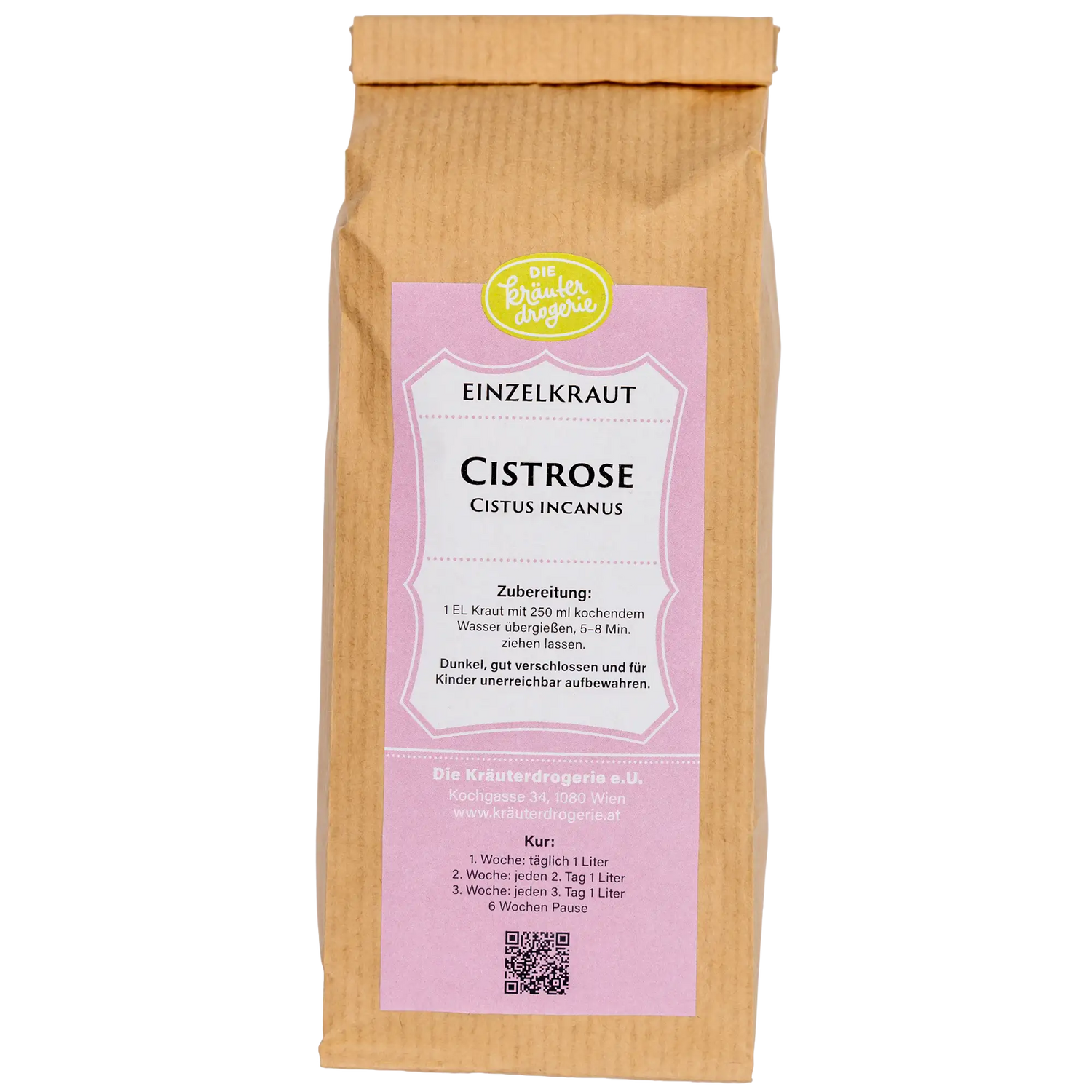
Cistus tea has a very high content of polyphenols (more than green tea). The cistus is a shrub that grows in the Mediterranean region. The plant has been known in folk medicine in Crete and Greece since ancient times. The polyphenols (a group of secondary plant substances) in cistus leaves are said to have many positive properties .
The tea is currently on everyone's lips and is highly praised. We have also long loved the essential oil of cistus , which smells warm and spicy, has regenerative properties and is said to "uplift delicate souls". Customers with sensitive, dry skin appreciate Ingeborg Stadelmann's cistus cream .
Preparation: Pour 250ml of boiling water over 1 tablespoon of rockrose, cover and let it steep for 4 to 5 minutes, strain and enjoy.
In our herbal drugstore you can also get cistrose as an elixir, drops and lozenges. If you are interested, please send us an email .
Storage: Store aroma-protected, dry and not above room temperature (25 °C).
Filling weight: 100 g
Other spellings: Cistus - Cistus
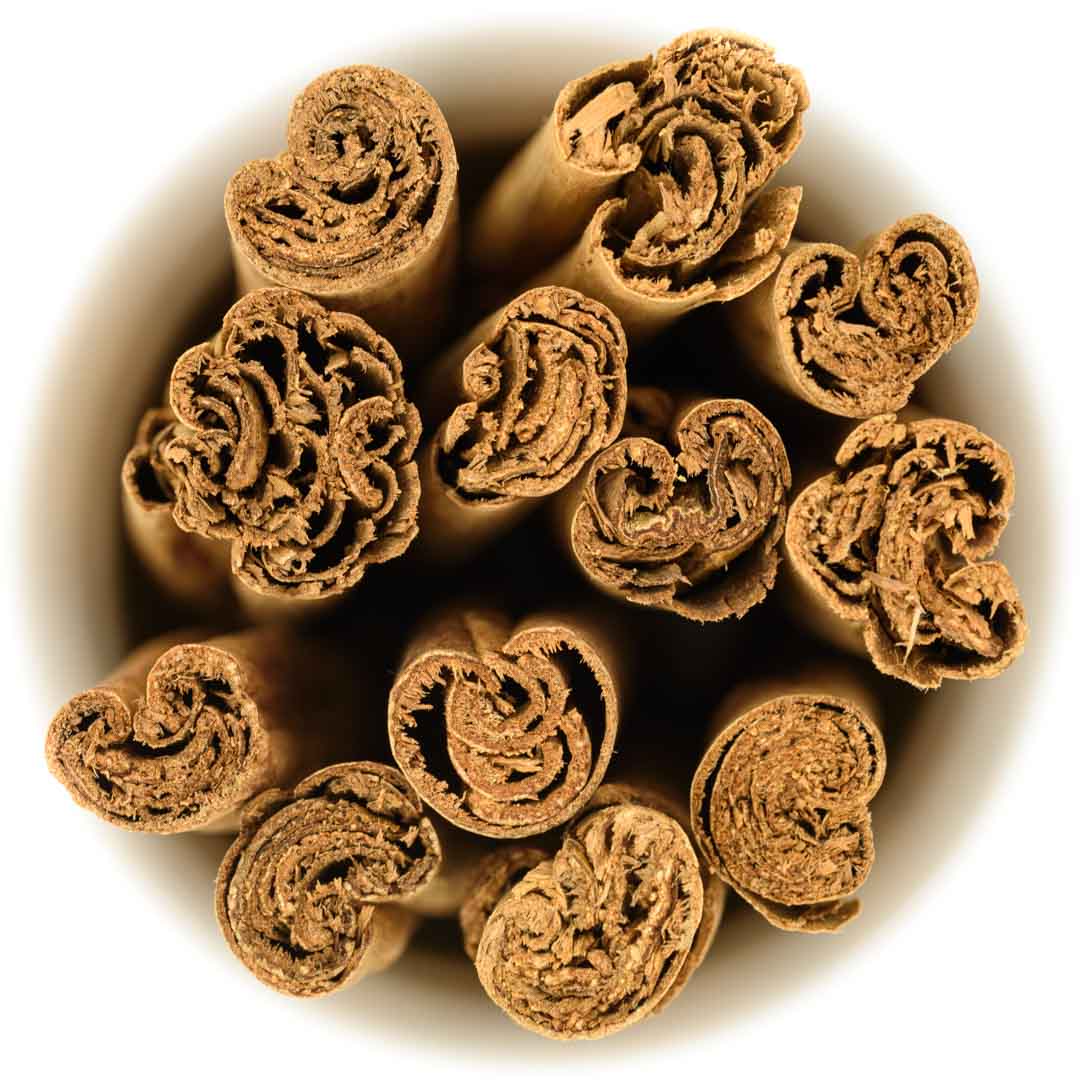
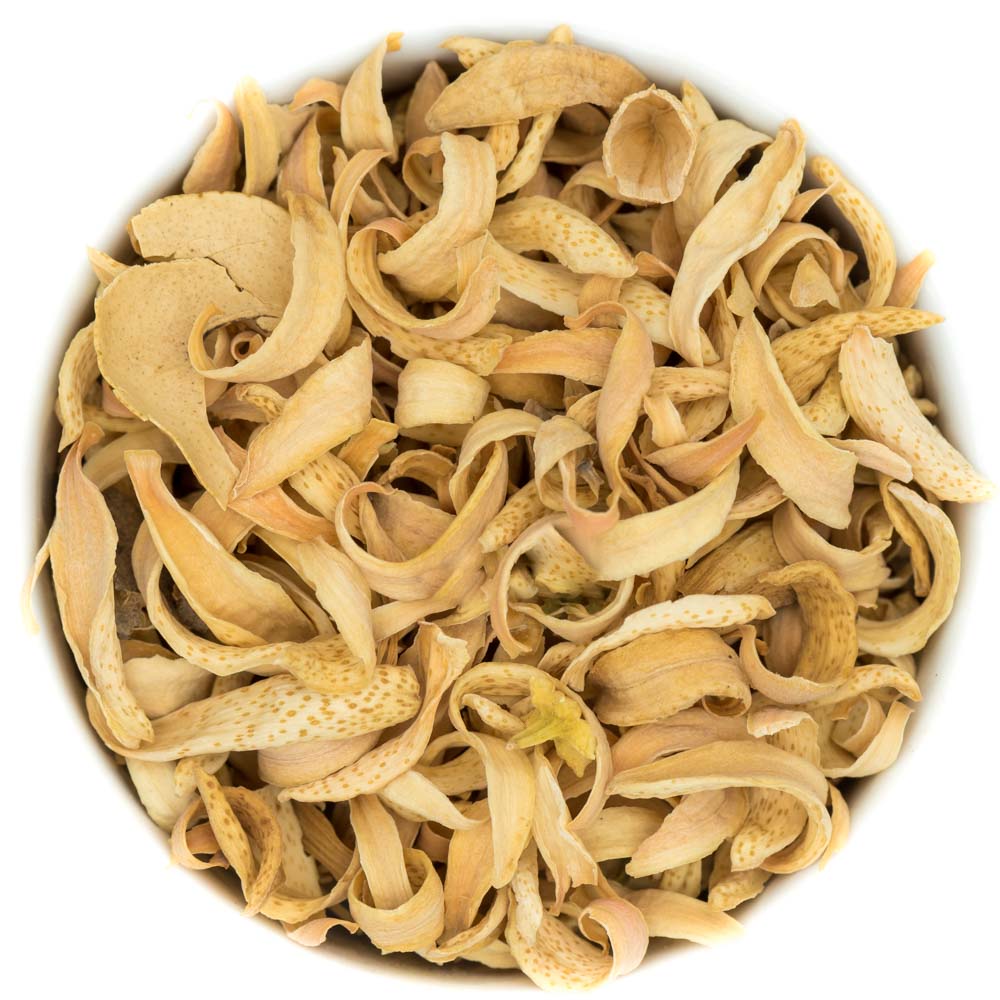
Its flavor is more delicate, sweeter, and more complex than Cassia cinnamon. Ceylon cinnamon has a warm, floral aroma with nuances of clove and citrus, but is less dominant. It's excellent for enhancing delicate dishes without overpowering them. The whole sticks are ideal for cooking in teas, mulled wine, compotes, and desserts. Thanks to its very low coumarin content, Ceylon cinnamon is considered a safer choice for regular consumption.
In Ayurveda, Ceylon cinnamon is considered a warming and harmonizing spice. Due to its sweet and spicy flavors (rasa), it is primarily used to calm Vata and Kapha. It helps strengthen the digestive fire (Agni), which promotes digestion and prevents the accumulation of waste products (Ama). Traditionally, Ceylon cinnamon is also used to support the respiratory system and the circulatory system. People with a dominant Pitta constitution should consume it only in moderation due to its heating effect.
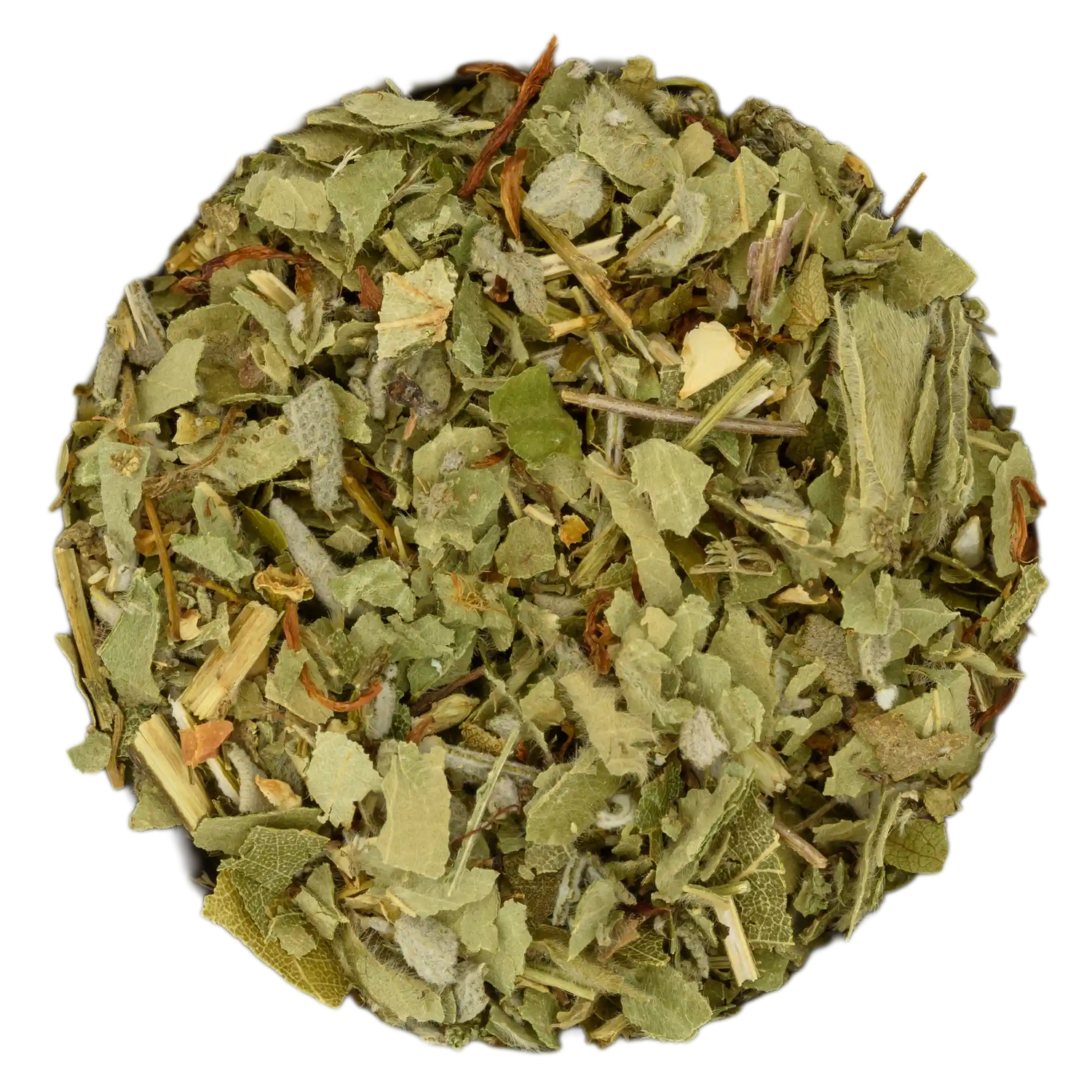

Ingredients:
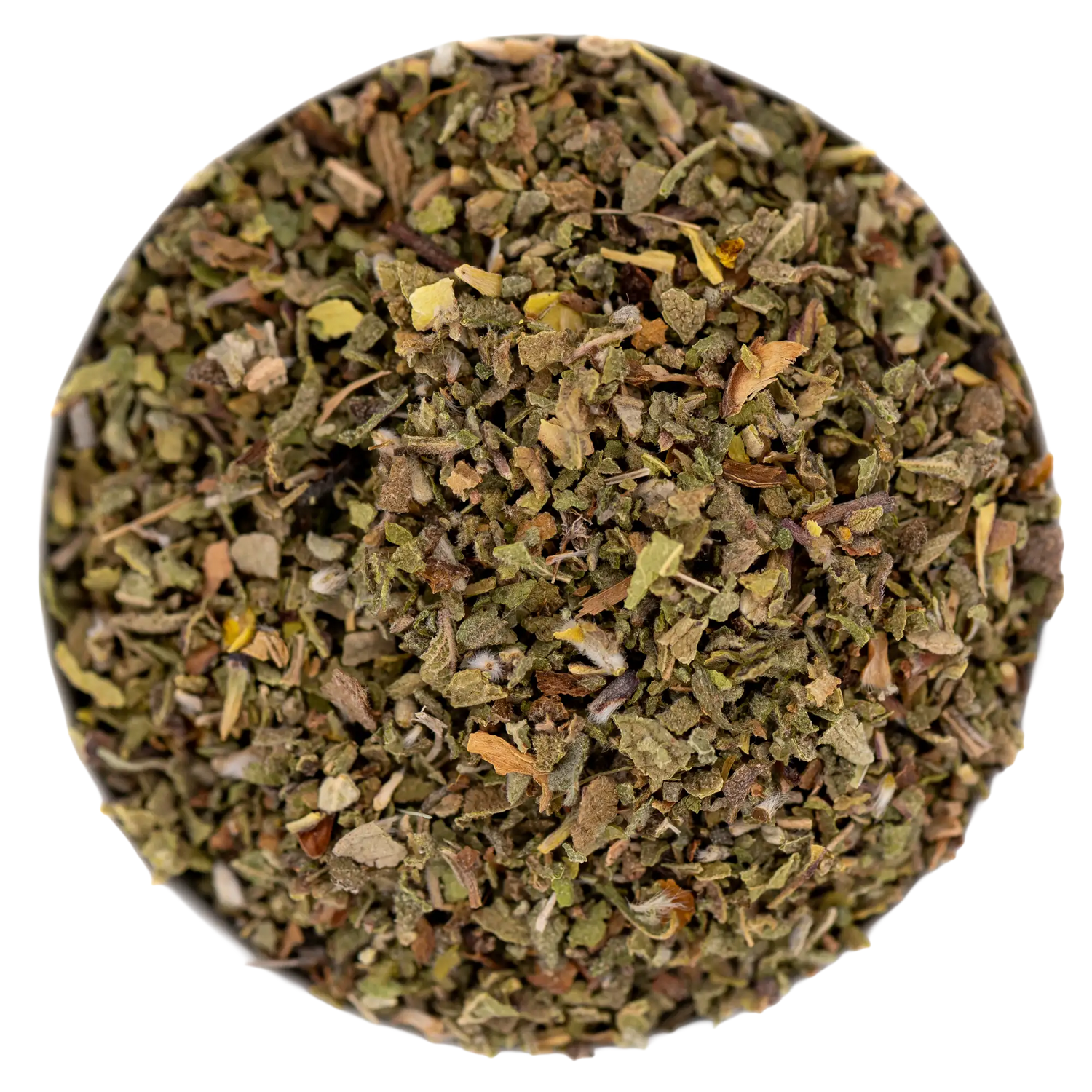
Lady's mantle, yarrow, hawthorn, sage, St. John's wort, birch leaves
Preparation: Pour 1 teaspoon into 250 ml of boiling water, let it steep for 5–10 minutes. Strain and let cool slightly.
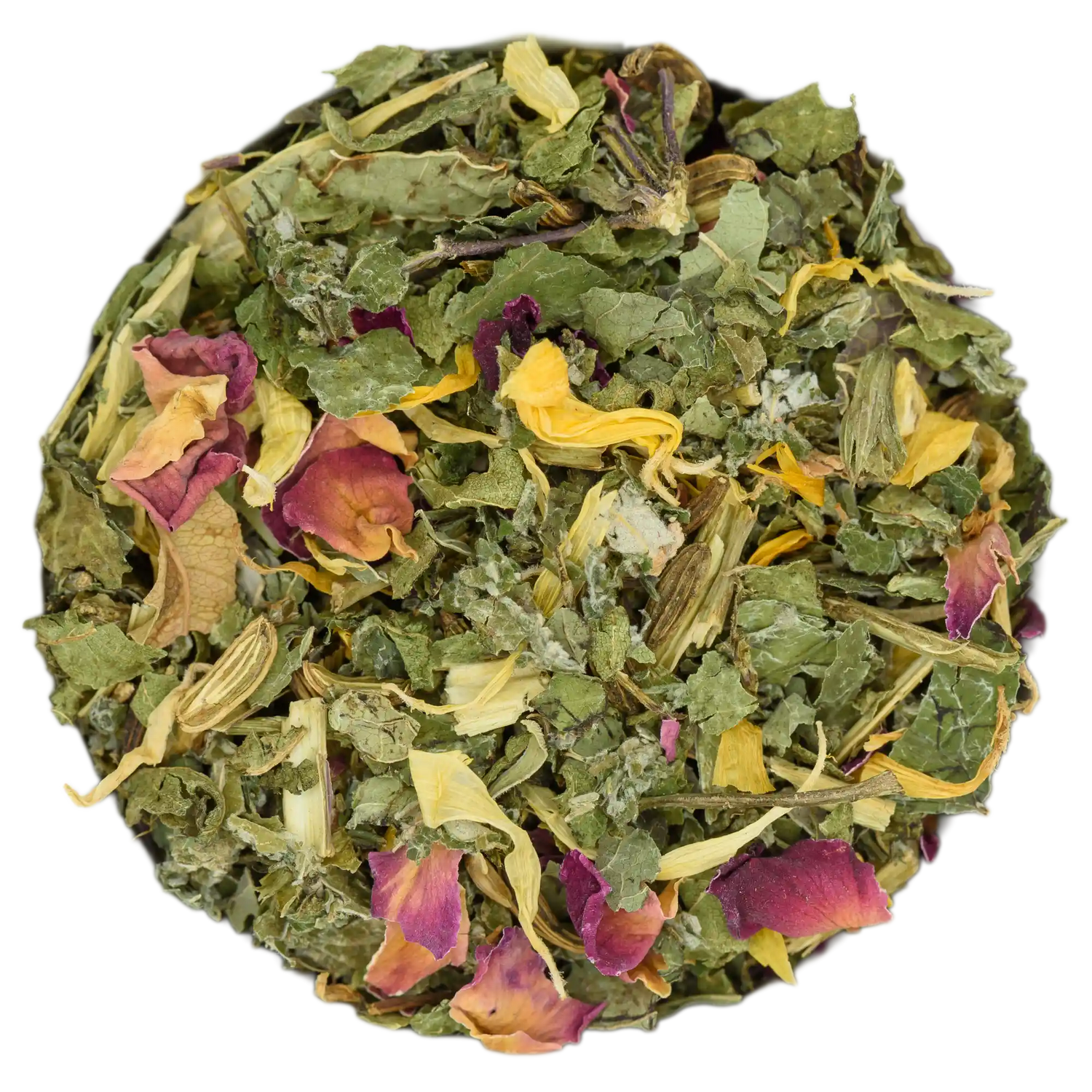
Ingredients:
Nettle, raspberry leaves, fennel, lemon balm, rose petals, marigold
Preparation: Pour 1/4 liter of boiling water over 1 level tablespoon of herbs and let it steep for 5-10 minutes.


Sunny summer